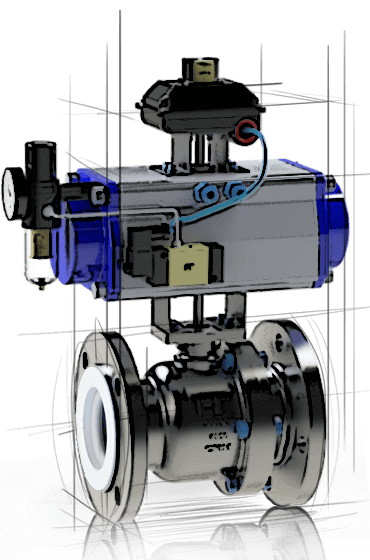
Showing posts with label ptfe ball valves. Show all posts

Tuesday, 16 December 2025

Comparison of PTFE Ball Valves vs. Metal-Seated Ball Valves

 Ball valves are critical components in industrial flow control systems, valued for their reliable shut-off, compact design, and fast quarter-turn operation. Among the most commonly used types are PTFE-seated ball valves and metal-seated ball valves. While both serve the same fundamental purpose, their design, performance characteristics, and application suitability differ significantly. Understanding these differences helps industries select the right valve for long-term safety and efficiency.

Overview of PTFE Ball Valves

PTFE ball valves use polytetrafluoroethylene as the seat material. PTFE is known for its chemical inertness, low friction, and excellent sealing capability. These valves are widely used in applications where tight shut-off and chemical compatibility are critical.

Key Features of PTFE Ball Valves

  • Bubble-tight sealing performance

  • Excellent resistance to corrosive chemicals

  • Low operating torque

  • Smooth, non-stick internal surfaces

  • Suitable for moderate pressure and temperature ranges

Overview of Metal-Seated Ball Valves

Metal-seated ball valves use hardened metal seats, typically made from stainless steel or special alloys with surface coatings. These valves are designed for severe service conditions involving high temperatures, high pressures, abrasive media, or flashing fluids.

Key Features of Metal-Seated Ball Valves

  • High resistance to extreme temperatures

  • Ability to handle abrasive and slurry media

  • Durable under high pressure and thermal cycling

  • Suitable for throttling in severe conditions

  • Longer service life in harsh environments

Key Differences Between PTFE and Metal-Seated Ball Valves

1. Sealing Performance

PTFE ball valves provide superior leak-tight sealing under normal operating conditions, making them ideal for applications requiring zero leakage. Metal-seated ball valves offer reliable sealing but may allow minimal leakage depending on service conditions and standards.

2. Temperature and Pressure Capability

PTFE-seated valves are limited by the thermal properties of PTFE, making them suitable for low to medium temperature and pressure applications. Metal-seated ball valves perform well under high temperatures and pressures where PTFE seats would degrade.

3. Media Compatibility

PTFE ball valves are highly resistant to aggressive chemicals and corrosive fluids. Metal-seated ball valves excel in handling abrasive, dirty, or high-velocity media that could damage soft seats.

4. Torque and Operation

PTFE ball valves operate with low torque due to the material’s low friction. Metal-seated ball valves typically require higher operating torque, especially in high-pressure services.

5. Maintenance and Lifecycle Cost

PTFE ball valves are easier to maintain and are cost-effective for standard applications. Metal-seated ball valves have higher initial costs but offer longer service life in severe operating conditions, reducing downtime.

Application-Based Selection Guide

PTFE Ball Valves Are Best Suited For:

  • Chemical and pharmaceutical processing

  • Food and beverage applications

  • Water treatment and utility services

  • Clean fluids requiring bubble-tight shut-off

Metal-Seated Ball Valves Are Best Suited For:

  • Oil and gas production and refining

  • High-temperature steam services

  • Slurry, ash handling, and abrasive media

  • Severe service and emergency shut-off systems

The choice between PTFE ball valves and metal-seated ball valves depends on operating conditions, process media, temperature, pressure, and sealing requirements. PTFE ball valves deliver excellent chemical resistance and leak-tight performance for clean and corrosive services, while metal-seated ball valves are engineered to withstand extreme temperatures, pressures, and abrasive environments.

Selecting the right valve type enhances operational safety, minimizes maintenance, and ensures long-term system reliability. Freture Techno Pvt. Ltd., as a trusted industrial valve manufacturer in Mumbai, India, offers both PTFE-seated and metal-seated ball valves designed to meet diverse industrial process requirements.

Monday, 29 September 2025

PTFE Ball Valves – Reliable Flow Control for Corrosive Applications

In industries where fluids are highly corrosive, abrasive, or sensitive to contamination, conventional valves often fail to meet performance expectations. To address this challenge, PTFE ball valves have become a trusted solution. Designed with a lining of polytetrafluoroethylene (PTFE), these valves offer superior resistance to aggressive chemicals, high temperatures, and demanding operating conditions. Whether in chemical processing, pharmaceuticals, or water treatment, PTFE lined ball valves are increasingly recognized as a dependable choice for critical applications.

What Are PTFE Ball Valves?

A PTFE lined ball valve is a quarter-turn valve featuring a spherical closure element (the ball) coated or lined with PTFE. The lining provides a non-reactive barrier between the fluid and the metallic body of the valve. This prevents corrosion, reduces friction, and ensures smooth operation even with harsh chemicals.

Compared to standard ball valves, PTFE ball valves deliver extended service life, leak-proof sealing, and reduced maintenance costs—making them ideal for industries that demand both safety and efficiency.

Long-Tail Keyword Focused Features

  1. PTFE lined ball valves for chemical industries – Excellent corrosion resistance when handling acids, caustics, and solvents.

  2. High-performance PTFE ball valves for pharmaceutical applications – Ensure product purity and prevent contamination.

  3. Industrial PTFE ball valves for water treatment systems – Withstand chlorine, ozone, and aggressive cleaning agents.

  4. Durable PTFE ball valves for oil and gas pipelines – Maintain reliability in demanding environments with variable pressure.

  5. PTFE ball valves with fire-safe design – Provide safety assurance in critical applications.

Advantages of Using PTFE Ball Valves

  1. Superior Chemical Resistance
    PTFE is inert to most aggressive chemicals, making the valve suitable for highly corrosive environments.

  2. Low Operating Torque
    The smooth lining reduces friction, enabling easy operation and extending actuator life.

  3. Leak-Tight Sealing
    PTFE ball valves provide bubble-tight shutoff, reducing risks of product loss and environmental hazards.

  4. Wide Temperature Range
    Suitable for both cryogenic and high-temperature services, offering flexibility across industries.

  5. Long Service Life
    Resistance to wear and corrosion ensures reduced downtime and lower maintenance costs.

Applications of PTFE Lined Ball Valves

Because of their durability and safety features, PTFE ball valves are widely adopted across several industries:

  • Chemical Processing Plants – Handle acids, solvents, and corrosive slurries.

  • Pharmaceutical Manufacturing – Ensure sterile, contamination-free processes.

  • Food and Beverage Production – Provide hygienic and reliable flow control.

  • Water and Wastewater Treatment – Resist chlorine, seawater, and aggressive cleaning chemicals.

  • Oil, Gas, and Petrochemical Facilities – Deliver safe flow management in corrosive environments.

Best Practices for Installation and Maintenance

  • Proper Alignment: Ensure the valve is installed in line with the pipeline to prevent uneven wear.

  • Gasket Compatibility: Use sealing materials that complement both the PTFE lining and the process fluid.

  • Handle With Care: Avoid scratches or mechanical damage to the PTFE surface during installation.

  • Operating Limits: Stay within manufacturer-recommended pressure and temperature ranges.

  • Regular Inspections: Schedule checks for wear, lining damage, or seat performance in aggressive service.

Why PTFE Ball Valves Are a Smart Investment

For industries where process safety, reliability, and cost efficiency are top priorities, PTFE ball valves stand out. Their ability to resist chemical attack, deliver leak-free performance, and minimize maintenance makes them a long-term investment rather than just a purchase. By using these valves, businesses ensure smoother operations, reduced risks, and higher productivity.

The role of PTFE ball valves in modern industry cannot be overstated. From chemical plants to pharmaceutical facilities, these valves provide the reliability and corrosion resistance that demanding applications require. With proper installation and care, they offer years of trouble-free service, helping industries maintain safe and efficient operations.

If you’re looking for a cost-effective and durable solution for corrosive applications, PTFE lined ball valves are an excellent choice for ensuring both safety and efficiency.

Saturday, 5 July 2025

PTFE Lined Ball Valves: Corrosion-Resistant Flow Control for Chemical Processing

 In highly corrosive and aggressive fluid-handling environments, the integrity of a valve plays a critical role in maintaining safety, efficiency, and long-term performance. Among the many valve solutions available, PTFE lined ball valves have emerged as a trusted choice for industries such as chemical processing, pharmaceuticals, and wastewater treatment, where resistance to harsh chemicals is non-negotiable.

These valves combine the strength of metal bodies with the chemical inertness of PTFE (Polytetrafluoroethylene), commonly known by the brand name Teflon. As a result, they provide a dual advantage—mechanical durability and exceptional chemical resistance. Whether it's acids, bases, or aggressive solvents, PTFE lined ball valves can handle it all without compromising safety or performance.

Why Choose?

PTFE, known for its non-stick and anti-corrosive properties, is an ideal lining material for valves used in chemical industries. When integrated into a ball valve, it creates a seamless internal barrier that prevents the process fluid from contacting the metal surfaces of the valve. This feature significantly extends the service life of the valve and eliminates risks associated with metal corrosion or contamination.

These valves are engineered for on/off flow control and are particularly effective in applications requiring minimal leakage, smooth operation, and frequent actuation. A PTFE ball valve seat ensures tight shut-off and low friction, further enhancing performance.


Key Applications 

  1. Chemical Processing Plants – Ideal for handling acids, caustics, and solvents.

  2. Pharmaceutical Manufacturing – Ensures hygienic flow and resistance to contamination.

  3. Food & Beverage Industry – Suitable for corrosive cleaning agents and consistent flow control.

  4. Water and Wastewater Treatment – Effective in managing chemically treated water.

  5. Pulp and Paper Industry – Used for handling bleaching chemicals and corrosive liquids.

These valves are often used in conjunction with lined ball valves, such as PTFE lined butterfly valves, for complete system protection.

Exploring Valve Types and Features

While PTFE lined ball valves are versatile, specific variations have been developed for different operational needs:

  • PTFE Lined Ball Check Valve: Offers backflow prevention with a corrosion-resistant design.

  • PFA Lined Ball Valve: Similar to PTFE but offers improved high-temperature performance and stress cracking resistance.

  • PTFE Coated Ball Valve: Used where full lining may not be required but chemical protection is still necessary.

Each of these variants is designed to address industry-specific challenges while maintaining the core benefits of chemical resistance, minimal maintenance, and durability.

Manufacturing Standards and Material Quality

Top manufacturers ensure their valves meet global standards such as ANSI, DIN, and ISO. The body materials often include cast iron, ductile iron, or stainless steel, while the lining materials—PTFE or PFA—are selected based on fluid compatibility and temperature/pressure requirements.

At the heart of their design, PTFE ball valves utilize precision-engineered components, such as anti-blowout stems, low-torque operation, and anti-static features, all contributing to a safer and more reliable valve solution.

Why Source from a Trusted Manufacturer?

When sourcing PTFE-lined valves, ensuring product quality and operational reliability is essential. A reputed PTFE Lined Ball Valve Manufacturer in Mumbai, Freture Techno Pvt. Ltd. delivers superior engineering, premium-grade materials, and consistent performance that align with global standards. The company leverages advanced manufacturing technologies and stringent quality control processes to meet the exacting demands of industrial applications.

In addition to PTFE-lined ball valves, Freture Techno offers a comprehensive range of corrosion-resistant solutions, including PTFE lined butterfly valves and customized configurations tailored to specific process requirements.

Ideal for use in chemical processing, water treatment, and pharmaceutical manufacturing, these valves are designed to withstand aggressive media while delivering reliable, leak-free operation. Available in multiple variants such as PTFE coated ball valves, they combine durability, precision, and long-term performance.

For dependable and high-performance flow control solutions, Freture Techno Pvt. Ltd. stands out as a leading Ball Valve Manufacturer in Mumbai, trusted by industries across India and beyond.

Tuesday, 22 October 2024

Lined Ball Valve: The Ultimate Solution for Corrosive Fluid Handling

 Lined ball valves are specifically designed to handle corrosive fluids in industries such as chemical processing, pharmaceuticals, and water treatment. These valves incorporate a lining material, typically made from PTFE (Polytetrafluoroethylene), PFA (Perfluoroalkoxy alkane), or FEP (Fluorinated ethylene propylene), that acts as a protective barrier against aggressive chemicals. This article explores how lined ball valves are used to handle corrosive fluids and the advantages they offer over traditional metal valves.

PTFE PFA, FEP Lined Ball Valves have a distinct advantage in corrosive fluid applications due to their non-metallic internal surface. The lining materials used are highly resistant to chemical reactions, ensuring that the valve’s integrity remains intact even in harsh environments. PTFE is the most commonly used lining material because of its excellent chemical resistance and ability to withstand high temperatures. PFA and FEP offer similar benefits, but with slightly different mechanical properties; for instance, PFA has better mechanical strength than PTFE, while FEP is more flexible.

PTFE Lined Ball Valve

In industrial settings, the transport of corrosive substances like acids, alkalis, and solvents can lead to rapid wear and tear of standard metal valves. Lined ball valves prevent this degradation, significantly extending the valve's lifespan and reducing the need for frequent maintenance. Additionally, their smooth internal surfaces help to minimize fluid friction, ensuring that the flow remains consistent.

Common applications for lined ball valves include chemical injection systems, wastewater treatment facilities, and fluid management in the pharmaceutical industry. These valves are well-suited for shut-off applications and can operate effectively in systems where the fluids are highly corrosive. The choice of lining material depends on the nature of the fluid, temperature, and pressure requirements, making lined ball valves a versatile option for various industries.

Friday, 19 January 2024

Unveiling the Versatility of Lined Valves: Applications Across Industries

In the complex tapestry of industrial processes, the demand for corrosion-resistant valves has driven the innovation of lined valves. These valves, fortified with durable linings, play a pivotal role in ensuring the longevity and efficiency of critical systems across various industries. This article delves into the world of lined valves, focusing on three prominent types – lined ball valves, lined butterfly valves, and lined plug valves – and their applications in industries such as chemical processing, oil and gas, and water treatment.

PTFE Lined Ball Valve


I. Lined Ball Valves: Precision in Action

Lining Technology Reinventing Reliability

Lined ball valves are a stalwart in the realm of fluid control. Engineered with a lining that shields the valve from corrosive substances, they are the go-to solution in chemical processing plants. The seamless rotation of the ball within the lined cavity ensures precise control over fluid flow. This makes lined ball valves ideal for applications where purity and chemical resistance are paramount.

Applications:

  • Chemical processing plants
  • Pharmaceutical industries
  • Petrochemical refineries

II. Lined Butterfly Valves: A Symphony of Efficiency

Butterfly Valves Redefined

Lined butterfly valves, with their straightforward design and versatile applications, have become indispensable in various industries. The lined disc, which acts as the closure mechanism, minimizes friction and wear. This design, coupled with the corrosion-resistant lining, makes them a reliable choice for industries dealing with aggressive substances.

Applications:

  • Water treatment facilities
  • Power generation plants
  • Chemical manufacturing units

III. Lined Plug Valves: Sealing Excellence

Compact Design, Maximum Reliability

Lined plug valves, known for their compact design and efficient sealing capabilities, find a niche in applications where tight shut-off is crucial. The cylindrical plug, coated with a protective lining, ensures minimal contact with the flowing medium. This feature, coupled with the self-lubricating properties of the lining, makes lined plug valves a preferred choice for critical processes.

Applications:

  • Oil and gas pipelines
  • Refining and petrochemical plants
  • Wastewater treatment facilities

IV. Common Characteristics Across Lined Valves

1. Corrosion Resistance:

All three types of lined valves share a common characteristic – robust corrosion resistance. The linings, often made of materials like PTFE, PFA, or FEP, shield the valves from the deleterious effects of corrosive substances, ensuring longevity and reliability.

2. Temperature and Pressure Resistance:

Lined valves are designed to withstand extreme temperatures and pressures, making them suitable for a wide range of industrial applications. This resilience ensures that the valves maintain optimal performance even in challenging operating conditions.

V. Conclusion: Enhancing Industrial Processes with Lined Valves

In conclusion, the evolution of lined valves has revolutionized fluid control in industries where corrosion poses a significant challenge. Lined ball valves, lined butterfly valves, and lined plug valves each bring their unique attributes to the table, catering to the specific demands of chemical processing, oil and gas, and water treatment.

Choosing the right type of lined valve depends on factors such as the nature of the fluid, operating conditions, and industry requirements. As industries continue to advance, the versatility and reliability of lined valves make them an integral component in ensuring the smooth and efficient operation of critical processes. Embrace the innovation of lined valves and witness the transformation of fluid control in your industrial operations.

PFA , FEP, PVDF and PTFE Lined Valve

Freture Techno stands at the forefront of Mumbai's industrial landscape as a premier manufacturer specializing in PFA , FEP, PVDF and PTFE Lined Valve. Renowned for precision engineering and superior quality, Freture Techno has emerged as a trusted name in the valve manufacturing industry within India. With a commitment to innovation and excellence, their expertise lies in crafting PFA , FEP, PVDF and PTFE Lined Valve offering unparalleled resistance to corrosive elements and extreme operating conditions. The company's dedication to stringent quality control measures ensures products that not only meet but exceed industry standards. Freture Techno's valves cater to diverse sectors, including chemical processing, pharmaceuticals, and water treatment, contributing significantly to seamless operations and enhanced safety standards across industries. As a market leader, Freture Techno continues to redefine excellence in valve manufacturing, setting benchmarks for reliability and performance in Mumbai and beyond. Lined Valves