Showing posts with label EPDM Line Valves. Show all posts

Thursday, 19 September 2024

Understanding the Benefits of PTFE Lined Butterfly Valves

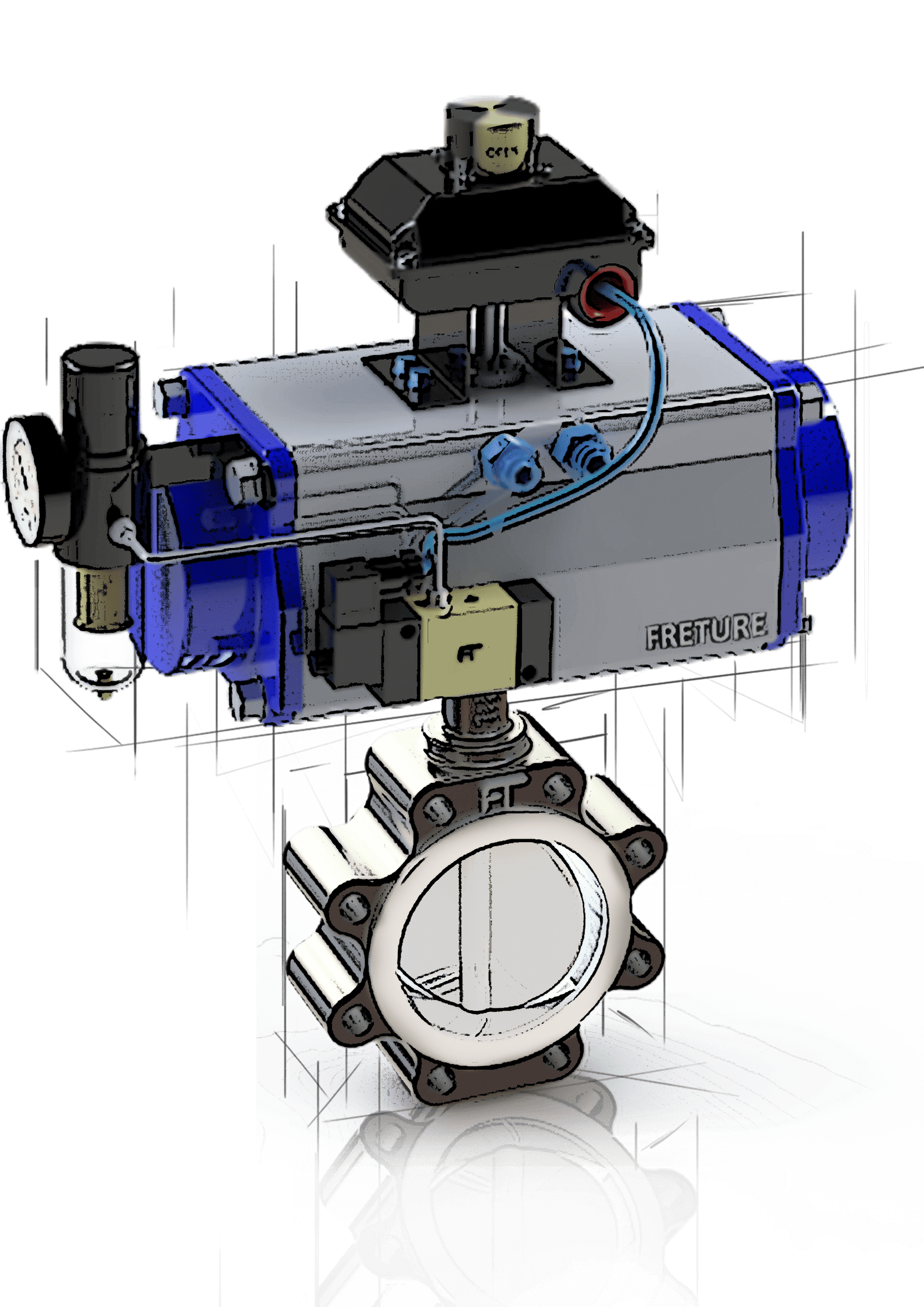
Industrial processes across a variety of sectors often involve the use of corrosive chemicals and high-pressure systems. In such environments, the right valve choice can make a significant difference in ensuring smooth operations and minimizing maintenance costs. PTFE ined butterfly valves offer an effective solution for managing fluid flow in challenging conditions, providing an excellent balance of chemical resistance, durability, and ease of use.

This article will explore the main benefits of PTFE lined butterfly valves, emphasizing their role in enhancing operational efficiency and longevity in industrial settings.

Superior Chemical Resistance

The most notable feature of PTFE (Polytetrafluoroethylene) as a lining material is its superior chemical resistance. When applied to butterfly valves, this property makes them ideal for use in industries that handle aggressive chemicals, acids, alkalis, and solvents. Unlike standard metal valves, PTFE lined butterfly valves can withstand chemical attacks that would typically corrode or degrade unlined valves.

Industries such as pharmaceuticals, petrochemicals, and water treatment benefit significantly from the non-reactive nature of PTFE, ensuring that the process fluids do not cause unwanted reactions or contamination. This leads to safer, more reliable system operations over extended periods.

Long-Lasting Durability

The wear and tear on valves used in harsh environments can lead to frequent replacements, resulting in downtime and increased operational costs. PTFE lined butterfly valves offer a solution to this problem, as PTFE is highly durable and resistant to wear and erosion.

By providing a protective barrier between the valve’s metal body and the process fluids, PTFE ensures that the valve components do not degrade prematurely. This results in longer-lasting valves, which can significantly reduce maintenance and replacement costs over time.

Low Friction and Smooth Operation

One of the key advantages of PTFE lined butterfly valves is their low friction coefficient. PTFE is a naturally slippery material, which means that it allows for smooth valve operation even in the presence of viscous or abrasive fluids. This low-friction characteristic reduces the wear on the valve’s moving parts, extending its operational lifespan.

Additionally, the smooth operation provided by PTFE lined butterfly valves leads to lower energy consumption in automated systems. The ease with which these valves open and close means less power is required, making them more energy-efficient, which is especially beneficial in large-scale industrial applications.

Broad Temperature Range Compatibility

PTFE Lined butterfly valves can function across a wide temperature range, typically from -50°C to 200°C, depending on the specific design. This makes them versatile solutions for applications where temperature extremes are a concern. Whether handling cryogenic fluids or high-temperature steam, PTFE lined valves maintain their integrity, ensuring consistent performance.

In industries like chemical processing or power generation, where fluctuating temperatures are common, this broad temperature range capability makes PTFE lined butterfly valves indispensable.

PTFE, PFA, FEP, PVDF Lined Butterfly Valve manufacturer in Mumbai, India

Compliance with Hygienic Standards

In industries such as food processing, pharmaceuticals, and biotechnology, maintaining hygienic conditions is critical. PTFE is an FDA-approved material, making it a safe choice for use in applications where product purity must be preserved. The non-reactive nature of PTFE ensures that there is no contamination between the valve and the substances being processed.

PTFE-lined butterfly valves are widely used in food and beverage production lines, pharmaceutical manufacturing, and water purification systems. They help ensure that the products meet the required hygiene and safety standards.

Lightweight and Cost-Effective

Compared to other types of industrial valves, butterfly valves have a relatively simple design, making them lightweight and easy to install. PTFE lined butterfly valves offer an even more cost-effective solution due to their long-lasting performance and minimal maintenance requirements. Their lightweight nature also reduces the strain on piping systems, lowering the risk of wear and tear over time.

The combination of these features makes PTFE lined butterfly valves a practical and affordable choice for businesses looking to optimize their fluid control systems without sacrificing performance or reliability.

The PTFE lined butterfly valve stands out as an efficient, durable, and cost-effective solution for industries that require reliable flow control in challenging environments. Its chemical resistance, low friction operation, temperature versatility, and hygienic compliance make it a valuable asset in industries like pharmaceuticals, food processing, water treatment, and petrochemicals.

Investing in PTFE-lined butterfly valves offers significant advantages, including extended operational life, reduced maintenance costs, and improved safety. With these benefits, it’s no surprise that PTFE lined butterfly valves are becoming the valve of choice for many industries around the world.

Tuesday, 28 May 2024

The Impact of Lined Valves on Operational Safety and Efficiency in Industrial Settings

Operational safety and efficiency are critical concerns in industrial settings, where the handling of hazardous materials and complex processes is a daily challenge. Lined valves, with their robust construction and corrosion-resistant properties, play a vital role in ensuring both safety and efficiency in various industries. This article explores how lined valves contribute to operational safety, enhance efficiency, and support the overall reliability of industrial systems.

Ensuring Operational Safety

Safety is paramount in industries such as chemical processing, pharmaceuticals, and oil and gas, where the mishandling of hazardous substances can lead to serious accidents and environmental damage. Lined valves enhance operational safety through several key mechanisms:

Corrosion Resistance: One of the primary advantages of lined valves is their resistance to corrosion. Corrosion can weaken valve structures, leading to leaks or failures that pose significant safety risks. Lined valves, with linings made from materials like PTFE, PFA, and ECTFE, provide a durable barrier against corrosive substances, ensuring the integrity of the valve and preventing dangerous leaks.

Lined (PTFE, PFA, FEP) Ball Valve Manufacturer in Mumbai, India

Containment of Hazardous Substances: Lined valves are designed to contain hazardous chemicals effectively, preventing their escape into the environment. This containment is crucial in industries where the handling of toxic or flammable materials is routine. By securely containing these substances, lined valves minimize the risk of exposure and accidents, protecting both workers and the environment.

Reliability in Extreme Conditions: Many industrial processes involve extreme temperatures and pressures, which can compromise the performance of standard valves. Lined valves are engineered to withstand such conditions, maintaining their functionality and safety even under stress. This reliability reduces the likelihood of valve failure and the associated risks of operational disruptions and safety incidents.

Compliance with Safety Regulations: Lined valves help industries comply with stringent safety regulations set by authorities like OSHA and EPA. Compliance with these regulations is essential for minimizing risks and avoiding costly fines and legal issues. Lined valves support regulatory compliance by providing reliable and safe performance in hazardous applications.

Enhancing Operational Efficiency

In addition to ensuring safety, lined valves contribute significantly to the efficiency of industrial operations. Their design and materials offer several advantages that enhance process efficiency and reduce operational costs:

Reduced Maintenance Needs: The corrosion-resistant properties of lined valves mean they require less frequent maintenance compared to unlined valves. This reduction in maintenance needs translates to lower downtime and fewer interruptions in industrial processes. As a result, industries can maintain higher levels of productivity and efficiency.

Longer Service Life: Lined valves typically have a longer service life due to their durable construction and resistance to wear and tear. This longevity reduces the need for frequent replacements, lowering the overall cost of ownership and contributing to more efficient resource use. Industries can benefit from consistent valve performance over extended periods, enhancing operational stability.

Improved Flow Control: Precise flow control is essential for optimizing industrial processes. Lined valves offer superior control over the flow of fluids and gases, ensuring that processes operate within optimal parameters. This precise control helps in maintaining the quality and consistency of the output, whether in chemical reactions, pharmaceutical manufacturing, or water treatment processes.

Energy Efficiency: Efficient valves can contribute to overall energy savings in industrial operations. By ensuring smooth and reliable flow control, lined valves minimize energy losses associated with leaks, friction, and flow disruptions. This efficiency supports the broader goals of reducing energy consumption and enhancing sustainability in industrial settings.

Supporting System Reliability

The reliability of industrial systems is a key factor in achieving both safety and efficiency. Lined valves play a crucial role in supporting system reliability through their robust design and performance characteristics:

Consistent Performance: Lined valves provide consistent performance even under challenging conditions. This consistency is vital for maintaining the reliability of critical industrial processes, where any deviation can lead to significant issues. Industries can rely on lined valves to deliver stable and predictable results, contributing to overall system reliability.

Minimizing Downtime: Unplanned downtime can be costly and disruptive to industrial operations. Lined valves help minimize downtime by reducing the frequency of maintenance and replacements. Their durability and resistance to corrosion ensure that they remain operational for longer periods, supporting continuous and reliable operations.

Adaptability to Various Applications: Lined valves are adaptable to a wide range of applications and industries. Whether dealing with aggressive chemicals in a chemical plant, maintaining sterility in a pharmaceutical facility, or ensuring the safe flow of water in treatment plants, lined valves provide the necessary reliability and performance. This versatility makes them an essential component in diverse industrial systems.

Enhancing Process Control: The precise control offered by lined valves enhances the reliability of industrial processes. Operators can fine-tune processes to achieve optimal performance, ensuring that systems run smoothly and efficiently. This control is particularly important in applications where precise conditions are necessary for successful outcomes.

Conclusion

Lined valves are indispensable in enhancing operational safety and efficiency in industrial settings. Their corrosion-resistant properties, ability to contain hazardous substances, and reliable performance under extreme conditions make them vital components in maintaining safe and efficient operations. By reducing maintenance needs, extending service life, and improving flow control, lined valves contribute significantly to the overall reliability of industrial systems.

As industries continue to prioritize safety, efficiency, and sustainability, the adoption of advanced lined valve technologies will be essential. Companies like Freture Techno Pvt. Ltd., a leading manufacturer of lined valves in Mumbai, India, are at the forefront of providing high-quality solutions that meet the diverse needs of their clients, ensuring safe and efficient industrial operations.

Friday, 19 January 2024

Unveiling Lined Valves: A Comprehensive Guide to Construction, Materials, and Advantages in Corrosive or Abrasive Applications

Corrosion and abrasion are formidable challenges in industries where fluid control is critical. Lined valves have emerged as a robust solution to combat these issues, providing enhanced durability and performance. In this article, we delve into the world of lined valves, exploring their construction, the materials used for lining, and the significant advantages they offer in corrosive or abrasive applications.

I. Understanding Lined Valves

Lined valves are a specialized category of industrial valves designed to withstand aggressive and corrosive environments. The distinguishing feature lies in the protective lining applied to the internal surfaces of the valve. This lining acts as a barrier, shielding the valve from the corrosive effects of the fluid passing through.

Lined Butterfly Valve Manufacturers in Mumbai, India

II. Construction of Lined Valves

Lining Materials

The choice of lining material is crucial to the success of a lined valve. Common lining materials include PTFE (Polytetrafluoroethylene), PFA (Perfluoroalkoxy), FEP (Fluorinated Ethylene Propylene), rubber, and ceramic. Each material has its unique properties, making it suitable for specific applications.

Metallic Shell

Beneath the protective lining, lined valves typically feature a robust metallic shell, ensuring structural integrity and mechanical strength. The metallic shell provides the valve with the necessary support to withstand the pressure and temperature conditions of the application.

Design Considerations

The design of lined valves takes into account the fluid properties, pressure, temperature, and the corrosiveness of the environment. Additionally, the valves are engineered to minimize the risk of lining delamination or damage during operation.

III. Materials Used for Lining

PTFE (Polytetrafluoroethylene)

PTFE is a popular choice for lining due to its exceptional chemical resistance and low friction properties. It is particularly effective in applications involving acids, bases, and corrosive chemicals. PTFE-lined valves are known for their longevity and reliability.

PFA (Perfluoroalkoxy)

PFA shares similarities with PTFE but offers additional advantages such as improved clarity, flexibility, and a higher continuous use temperature. PFA-lined valves are often preferred in applications where transparency and higher temperature resistance are critical.

Rubber Linings

Rubber linings, such as EPDM (Ethylene Propylene Diene Monomer) or Viton, are chosen for their elasticity and resistance to various chemicals. They are commonly used in applications involving abrasive slurries and corrosive fluids.

Ceramic Linings

For extreme abrasion resistance, ceramic linings are employed. Alumina or zirconia ceramics are applied to the valve's internals, providing a durable barrier against abrasive particles present in the fluid.

IV. Advantages in Corrosive or Abrasive Applications

Lifelong Corrosion Resistance

The primary advantage of lined valves lies in their ability to resist corrosion throughout their operational life. This makes them indispensable in industries where aggressive chemical processes are commonplace, ensuring longevity and reducing maintenance costs.

Versatility in Applications

Lined valves find application in a wide range of industries, including chemical processing, petrochemicals, pharmaceuticals, and wastewater treatment. Their versatility makes them suitable for handling various corrosive or abrasive fluids encountered in these sectors.

Enhanced Performance

The protective lining not only shields the valve from corrosion but also contributes to smoother fluid flow. Reduced friction within the valve improves operational efficiency, leading to enhanced performance and energy savings.

V. Conclusion

PTFE, FEP, PFA, Lined valves Manufacturers in Mumbai, India stand as a testament to engineering ingenuity in the face of corrosive and abrasive challenges. By combining robust construction with carefully selected lining materials, these valves provide a reliable solution for industries demanding durability, longevity, and unparalleled resistance to corrosive elements. As technologies continue to advance, lined valves will likely play an increasingly pivotal role in ensuring the integrity and efficiency of fluid control systems across diverse industrial landscapes.

PFA , FEP, PVDF and PTFE Lined Valve

Freture Techno stands at the forefront of Mumbai's industrial landscape as a premier manufacturer specializing in PFA , FEP, PVDF and PTFE Lined Valve. Renowned for precision engineering and superior quality, Freture Techno has emerged as a trusted name in the valve manufacturing industry within India. With a commitment to innovation and excellence, their expertise lies in crafting PFA , FEP, PVDF and PTFE Lined Valve offering unparalleled resistance to corrosive elements and extreme operating conditions. The company's dedication to stringent quality control measures ensures products that not only meet but exceed industry standards. Freture Techno's valves cater to diverse sectors, including chemical processing, pharmaceuticals, and water treatment, contributing significantly to seamless operations and enhanced safety standards across industries. As a market leader, Freture Techno continues to redefine excellence in valve manufacturing, setting benchmarks for reliability and performance in Mumbai and beyond. Lined Valves