Showing posts with label PTFE Lined Globe Valve. Show all posts

Tuesday, 22 October 2024

Improving Flow Control Accuracy with Lined Globe Valves in Industrial Systems

 Accurate flow control is a fundamental requirement in various industrial processes, especially in applications involving corrosive fluids or stringent safety standards. Lined globe valves are commonly used for their ability to provide precise flow regulation, thanks to their unique design and the chemical-resistant properties of their linings. In this article, we will explore how lined globe valves improve flow control accuracy in industrial systems and discuss their specific applications.

The design of a globe valve, which features a movable plug that seats against a stationary ring, allows for gradual adjustment of flow. This makes globe valves particularly suitable for throttling applications where fine control over flow rates is necessary. The use of linings, such as PTFE or PFA, not only provides chemical resistance but also ensures a smooth internal surface, reducing friction and minimizing fluid turbulence. This helps maintain consistent flow rates, which is essential in applications like chemical dosing, steam regulation, or cooling systems in power plants.
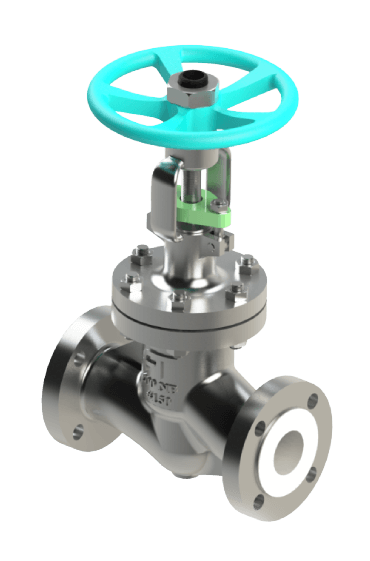
PVDF Lined Globe Valve 

Lined globe valves are also valuable in pharmaceutical manufacturing, where precise flow control is necessary to meet regulatory standards and ensure product quality. In such cases, lined valves help maintain the integrity of the fluid by preventing contamination from metal components, which could occur in unlined valves. The choice of lining material, valve size, and trim design can further optimize flow control accuracy and ensure reliable performance under various operating conditions.

Implementing lined globe valves in industrial systems can lead to more efficient operations, reduced maintenance costs, and compliance with safety and environmental regulations. Proper valve selection and maintenance practices are essential for maximizing the benefits of these versatile flow control devices.

Comparing Lined Globe Valves to Other Valve Types: When and Why to Use Them

 When it comes to flow control in industrial processes, choosing the right valve type is critical to achieving optimal performance. Lined globe valves, lined ball valves, and butterfly valves each offer distinct advantages, depending on the specific requirements of the application. In this article, we will compare lined globe valves to other valve types, examining their benefits and limitations in various scenarios.

Lined globe valves are designed for applications that require precise flow control, making them ideal for regulating fluid flow in chemical processing, pharmaceutical production, and water treatment. Their design allows for gradual adjustment of flow, which is not possible with lined ball valves, making globe valves suitable for applications where throttling is required. This characteristic makes them valuable in scenarios where exact flow regulation is crucial, such as in chemical dosing systems.

PTFE Lined Globe Valve 

Lined ball valves, while easier to operate and generally requiring lower torque, are better suited for applications that involve frequent full open or closed positions, such as shutoff operations. Their design minimizes pressure drops and can handle larger flow volumes with ease. However, they are not recommended for throttling purposes due to the risk of seat damage from partial opening.

Butterfly valves, on the other hand, are typically lighter and more compact, making them ideal for large-diameter pipelines. They are also cost-effective compared to globe valves for applications that do not require precise flow regulation. However, butterfly valves may not offer the same level of chemical resistance and flow control accuracy as lined globe valves.

The decision between these valve types should consider factors such as flow control needs, operating conditions, chemical compatibility, and budget. Each valve type serves different industrial requirements, and selecting the appropriate valve ensures efficient and safe operation.

Lined Globe Valve Maintenance: Best Practices for Longevity and Reliability

 Maintaining lined globe valves is essential for ensuring their reliability and extending their operational lifespan. Even though lined valves are designed to withstand corrosion, regular maintenance practices can help prevent valve-related issues and ensure continuous operation. In this article, we will discuss the best practices for maintaining lined globe valves, the common challenges encountered during maintenance, and troubleshooting techniques.

Routine inspections are crucial for the early detection of potential problems. Regular visual checks should be conducted to identify any signs of wear or damage to the lining, such as cracks, blistering, or discoloration. These symptoms could indicate chemical permeation, which can compromise the integrity of the valve. Additionally, any buildup of deposits, such as scale or sediment, should be removed to avoid obstruction of the flow path.

PVDF Lined Globe Valve Suppliers in India

Proper cleaning techniques are essential for lined globe valves, as abrasive cleaning methods can damage the lining. It is recommended to use mild cleaning agents and non-abrasive tools. If chemical cleaning is required, the cleaning agent should be compatible with the lining material to avoid degradation.

Maintenance should also involve regular testing for valve functionality, ensuring that the valve can be opened and closed smoothly without excessive torque. Over time, linings and seats may need replacement due to wear and tear. When performing repairs, it is important to use the correct replacement materials to maintain chemical resistance and performance standards.

Implementing a preventive maintenance program can help reduce unexpected downtime, extend the service life of lined globe valves, and ensure consistent performance across industrial applications.

Choosing the Right Lined Globe Valve: Materials, Linings, and Applications

 Selecting the right lined globe valve for industrial applications requires an understanding of the different materials used for the linings, as well as the valve design and specific operating conditions. Lined globe valves come with various linings, such as PTFE, PFA, and FEP, each offering unique properties that suit different environments and process requirements. In this article, we will discuss the considerations for choosing the right lined globe valve, the benefits of different linings, and how to match these features with the intended applications.

PTFE-lined globe valves are commonly used because of their excellent chemical resistance, high-temperature tolerance, and low coefficient of friction. These properties make PTFE linings suitable for handling aggressive chemicals like concentrated acids, alkalis, and organic solvents. However, for applications where higher pressure and mechanical strength are required, PFA linings may be the better choice. PFA retains the chemical resistance of PTFE but offers superior mechanical properties, which enable the valve to perform well under more demanding conditions.

FEP Lined Globe Valve Manufacturers in India

On the other hand, FEP linings provide a balance of flexibility and chemical resistance, making them appropriate for applications where the process involves frequent temperature changes. For instance, in pharmaceutical manufacturing or food processing, where different stages of production may involve varying temperatures, FEP-lined valves can help maintain consistent performance.

The selection process also involves considering factors such as valve size, pressure rating, temperature range, and end connections to match the valve to the system’s requirements. Additionally, it is crucial to understand the nature of the fluid being handled—its chemical composition, viscosity, and potential for creating sediment. Each of these factors influences the choice of lining material and valve configuration.

By carefully selecting the appropriate lined globe valve, industries can ensure efficient and safe operation while minimizing downtime due to valve failure or chemical incompatibility.

Lined Globe Valves: Enhancing Corrosion Resistance in Chemical Processing

Lined globe valves are indispensable components in chemical processing industries, where the handling of aggressive chemicals and corrosive substances is routine. These valves are specifically designed to provide a solution to the challenges posed by corrosive environments by incorporating a lining material inside the valve body. Typically, the lining is made of materials such as PTFE (Polytetrafluoroethylene), PFA (Perfluoroalkoxy alkane), or FEP (Fluorinated ethylene propylene), all of which offer excellent resistance to a wide range of chemicals. In this article, we will explore how lined globe valves enhance corrosion resistance, the benefits associated with various lining materials, and the typical applications of these valves in chemical processing.

The chemical processing industry often involves the transport and control of fluids that can be highly corrosive, including strong acids, bases, and other aggressive substances. Traditional metal valves, even when made from corrosion-resistant alloys, can suffer from gradual degradation due to exposure to these harsh chemicals. Lined globe valves address this problem by providing a protective lining that prevents direct contact between the fluid and the metal valve body. This barrier significantly reduces the risk of corrosion, thus extending the service life of the valve and minimizing the frequency of maintenance.

PTFE Lined Globe Valve Manufacturers in India


The lining materials used in these valves offer different advantages. For example, PTFE is known for its broad chemical resistance and ability to withstand high temperatures, making it suitable for handling strong acids, alkalis, and organic solvents. PFA, while similar to PTFE in terms of chemical resistance, has better mechanical strength and can handle higher pressure applications. FEP offers a combination of flexibility and chemical resistance, which is beneficial in situations where temperature fluctuations are common.

Common applications for lined globe valves in chemical processing include chemical injection systems, acid transfer lines, and fluid handling in petrochemical plants. When selecting a lined globe valve, factors such as the nature of the fluid, temperature, pressure, and potential for chemical permeation must be considered to ensure compatibility and optimal performance.

By incorporating lined globe valves into chemical processing systems, companies can improve the reliability and safety of their operations while reducing costs associated with valve maintenance and replacement.

Wednesday, 20 December 2023

Unveiling the Superiority of PTFE Lined Valves: The Ultimate Guide

In the realm of fluid management systems, PTFE lined valves stand as a testament to innovation and efficiency. Combining the robustness of valve design with the exceptional properties of PTFE (Polytetrafluoroethylene), these valves have revolutionized industries across the globe.

Understanding PTFE Lining

The secret behind the prowess of PTFE lined valves lies in the exceptional characteristics of PTFE itself. Renowned for its non-stick, non-reactive nature and resistance to extreme temperatures and corrosive substances, PTFE is an engineering marvel. By lining the internals of valves with PTFE, manufacturers elevate the valve's performance to unparalleled levels.

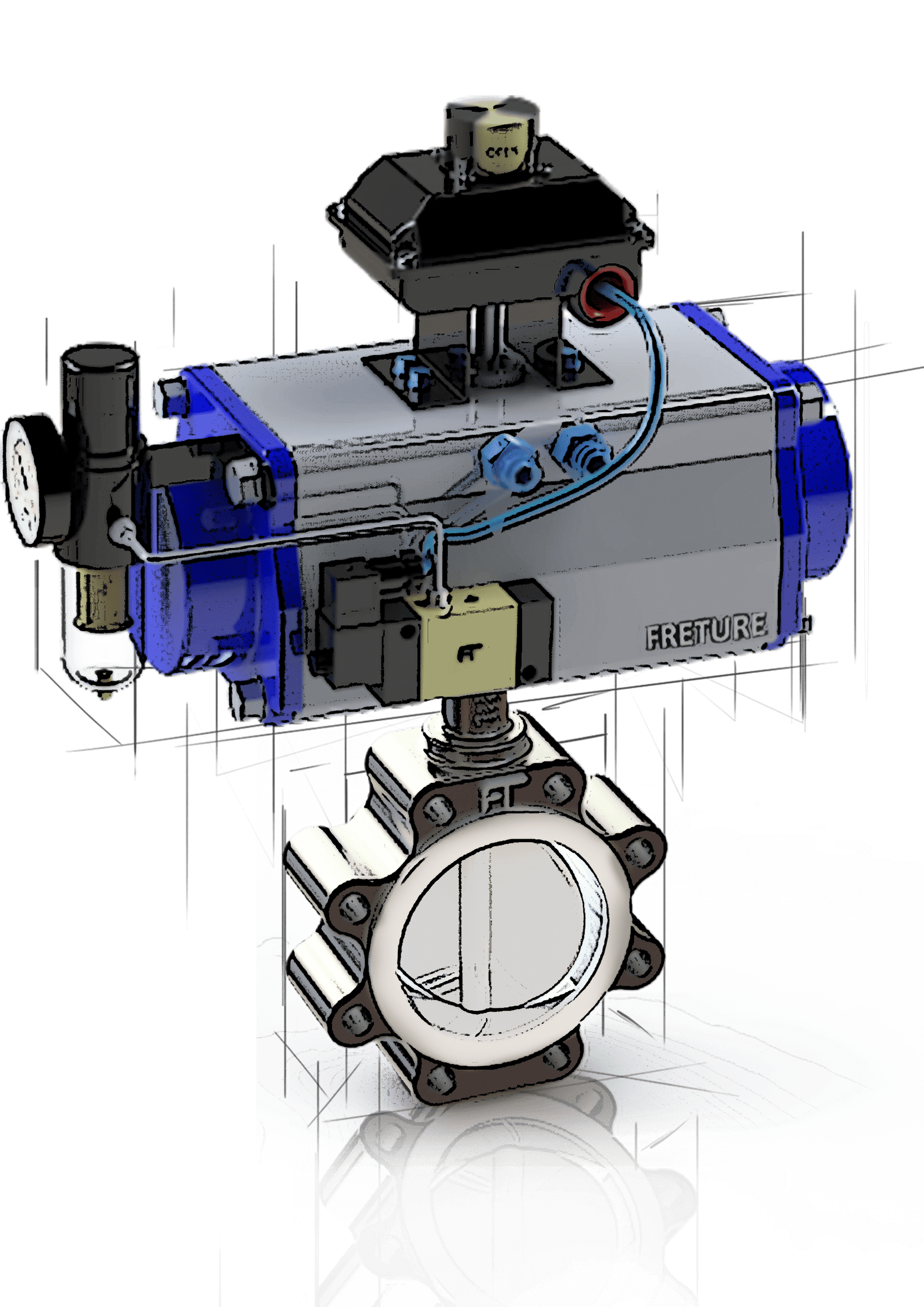
PTFE Lined Butterfly Valve

The Advantages in Action

Corrosion Resistance: PTFE's inertness shields valves from corrosive materials, making them ideal for handling aggressive chemicals and acids, ensuring longevity and reliability.

Temperature Extremes: Operating in environments with extreme temperatures becomes feasible due to PTFE's exceptional thermal stability.

Minimal Friction: PTFE's low coefficient of friction guarantees smooth operation and minimal wear and tear, reducing maintenance needs.

Hygienic Applications: In industries like pharmaceuticals and food processing, PTFE lined valves maintain product purity by preventing contamination.

Applications Across Industries

From chemical processing and petrochemicals to pharmaceuticals and food & beverage, the versatility of PTFE lined valves is unmatched. They excel where conventional valves fall short, offering a crucial solution in demanding environments.

Manufacturing Precision

Crafting PTFE lined valves requires expertise and precision. Manufacturers employ advanced techniques to ensure uniform PTFE lining thickness, preventing potential weak spots and ensuring consistent performance.

Conclusion

PTFE lined valves epitomize reliability, resilience, and versatility in fluid management systems. Their ability to withstand harsh conditions while maintaining efficiency makes them an indispensable asset across industries. As technology advances, these valves continue to evolve, setting new benchmarks in performance and durability.

In essence, PTFE lined valves represent the pinnacle of valve engineering, safeguarding operations and elevating efficiency in every fluid-handling scenario imaginable.

PFA , FEP, PVDF and PTFE Lined Valve

Freture Techno stands at the forefront of Mumbai's industrial landscape as a premier manufacturer specializing in PFA , FEP, PVDF and PTFE Lined Valve. Renowned for precision engineering and superior quality, Freture Techno has emerged as a trusted name in the valve manufacturing industry within India. With a commitment to innovation and excellence, their expertise lies in crafting PFA , FEP, PVDF and PTFE Lined Valve offering unparalleled resistance to corrosive elements and extreme operating conditions. The company's dedication to stringent quality control measures ensures products that not only meet but exceed industry standards. Freture Techno's valves cater to diverse sectors, including chemical processing, pharmaceuticals, and water treatment, contributing significantly to seamless operations and enhanced safety standards across industries. As a market leader, Freture Techno continues to redefine excellence in valve manufacturing, setting benchmarks for reliability and performance in Mumbai and beyond. Lined Valves