Showing posts with label manufacturer. Show all posts

Friday, 19 December 2025

Why PTFE Butterfly Valves Are Essential for Corrosive Chemical Applications

Handling corrosive fluids is a major challenge in chemical processing. Standard metal valves often fail due to corrosion, leakage, or contamination. PTFE Butterfly Valves solve these issues by offering unmatched chemical compatibility and durability.

Chemical Resistance of PTFE

PTFE is inert to most chemicals, including:

  • Sulphuric acid

  • Hydrochloric acid

  • Nitric acid

  • Chlorine compounds

  • Organic solvents

This makes PTFE-lined butterfly valves suitable for both highly acidic and alkaline environments.

Performance in Chemical Plants

PTFE Butterfly Valves maintain consistent performance even when exposed to:

  • High flow velocities

  • Temperature fluctuations

  • Aggressive chemical reactions

Their non-reactive surface prevents scaling and buildup, ensuring uninterrupted flow.

Safety and Leak Prevention

Chemical leaks can cause severe safety hazards. PTFE Butterfly Valves offer:

  • Bubble-tight shutoff

  • Minimal permeation

  • Reduced risk of fugitive emissions

These features support compliance with industrial safety norms.

Ease of Installation and Operation

  • Compact face-to-face dimensions

  • Lower torque requirements

  • Compatibility with pneumatic and electric actuators

Cost Efficiency

Although PTFE valves may have a higher initial cost, they significantly reduce:

  • Maintenance expenses

  • Downtime

  • Replacement frequency

Conclusion

For chemical industries seeking safe, corrosion-resistant, and cost-effective flow control, PTFE Butterfly Valves remain an indispensable solution.

Friday, 19 January 2024

Ensuring Longevity: A Comprehensive Guide to the Installation and Maintenance of Lined Valves

 Lined valves play a crucial role in industries where corrosive or abrasive media must be handled with precision. Proper installation and meticulous maintenance are paramount to ensuring the longevity and optimal performance of these specialized valves. In this guide, we will delve into practical considerations for the installation, handling, and maintenance of lined valves, covering essential tips to prevent lining damage, effective cleaning procedures, and inspection techniques.

I. Introduction

Lined valves are designed to withstand corrosive environments, making them indispensable in industries such as chemical processing, pharmaceuticals, and wastewater treatment. However, to harness their full potential, meticulous attention must be paid to installation and maintenance procedures.

II. Proper Installation

1. Handling and Storage

Before installation, handle lined valves with care to prevent any damage to the lining. Store them in a clean, dry environment, away from direct sunlight. Avoid contact with sharp objects or abrasive materials that could compromise the integrity of the lining.

2. Flange Alignment and Tightening

During installation, ensure proper flange alignment to prevent stress on the lining. Tighten bolts gradually and uniformly in a cross-pattern to distribute pressure evenly. Follow manufacturer specifications for torque values to avoid over-tightening, which can lead to lining distortion.

3. Avoiding Thermal Shock

Lined valves are susceptible to thermal shock. Gradual temperature changes during installation and operation help prevent stress on the lining. Consider using thermal insulation to maintain consistent temperatures.

III. Preventing Damage to the Lining

1. Valve Operation Awareness

Educate operators about the limitations of lined valves. Avoid sudden and extreme changes in flow rates, as these can cause erosion and damage to the lining. Additionally, install proper support structures to minimize stress on the valve during operation.

2. Careful Transportation

During transportation, handle lined valves with caution. Secure them to prevent movement or collisions that could result in damage. If valves have been in storage for an extended period, inspect the lining for any signs of deterioration before installation.

IV. Cleaning Procedures

1. Regular Inspection*

Implement a routine inspection schedule to identify any signs of wear or damage. Regular visual inspections can detect issues early, preventing extensive damage to the lining.

2. Cleaning Agents Compatibility*

When cleaning lined valves, use compatible cleaning agents recommended by the valve manufacturer. Avoid abrasive materials that could scratch or compromise the lining. Thoroughly flush the valve after cleaning to remove any residue.

V. Inspection Techniques

1. Non-Destructive Testing (NDT)*

Incorporate non-destructive testing methods, such as ultrasonic testing or visual inspection, to assess the integrity of the lining. These techniques can identify potential issues without compromising the valve's structural integrity.

2. Pressure Testing*

Periodically conduct pressure tests to ensure the valve's resistance to leaks. Follow industry standards and manufacturer guidelines for pressure testing procedures. Any deviations from expected results should trigger a thorough inspection.

VI. Conclusion

Proper installation and regular maintenance are pivotal to maximizing the lifespan and performance of lined valves. By implementing careful handling practices, preventing damage to the lining, employing effective cleaning procedures, and conducting thorough inspections, industries can ensure that lined valves operate optimally in corrosive environments. This comprehensive guide serves as a roadmap for industries reliant on lined valves, emphasizing the importance of a proactive approach to installation and maintenance for long-lasting and reliable valve performance.

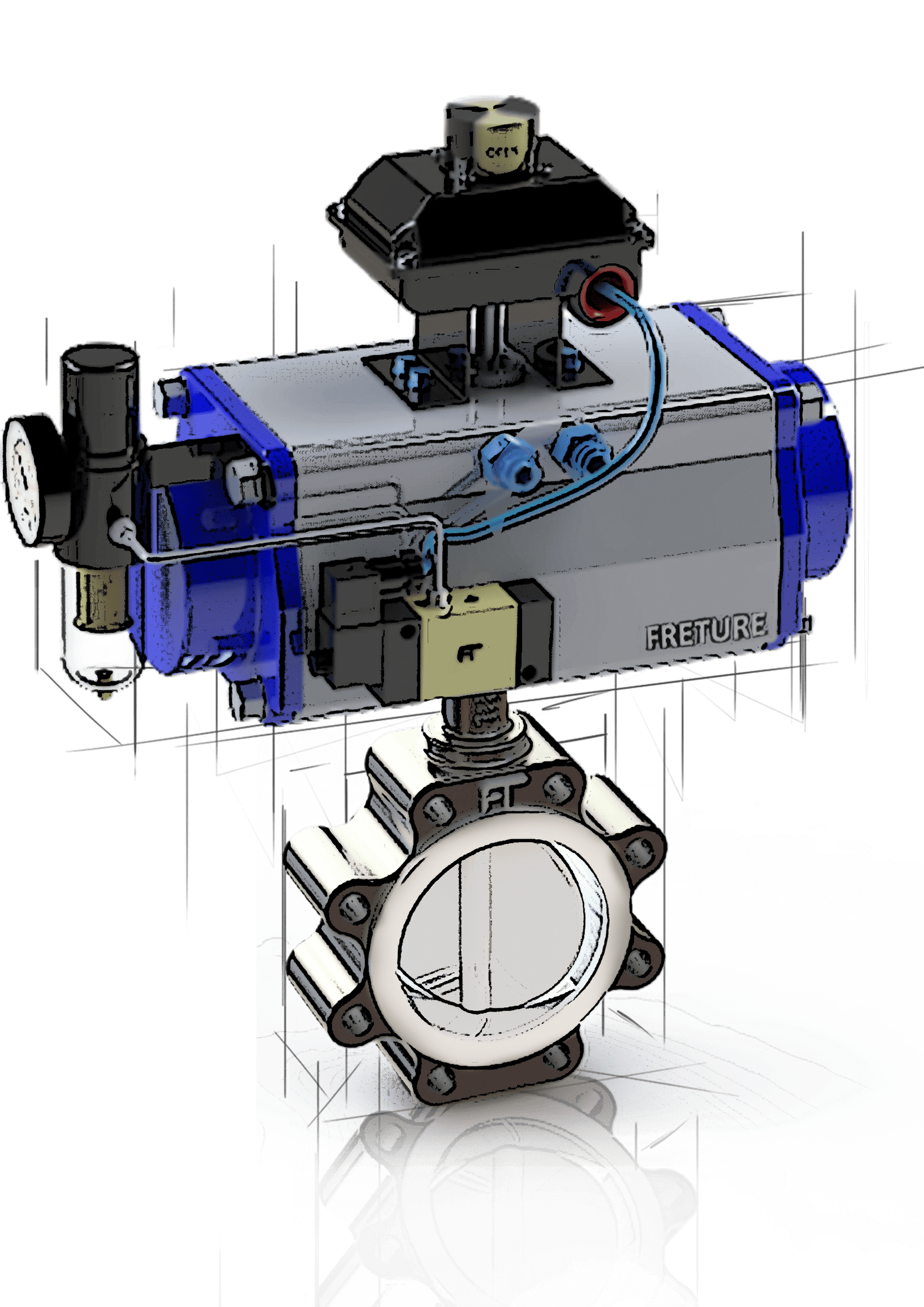
Unveiling Lined Valves: A Comprehensive Guide to Construction, Materials, and Advantages in Corrosive or Abrasive Applications

Corrosion and abrasion are formidable challenges in industries where fluid control is critical. Lined valves have emerged as a robust solution to combat these issues, providing enhanced durability and performance. In this article, we delve into the world of lined valves, exploring their construction, the materials used for lining, and the significant advantages they offer in corrosive or abrasive applications.

I. Understanding Lined Valves

Lined valves are a specialized category of industrial valves designed to withstand aggressive and corrosive environments. The distinguishing feature lies in the protective lining applied to the internal surfaces of the valve. This lining acts as a barrier, shielding the valve from the corrosive effects of the fluid passing through.

Lined Butterfly Valve Manufacturers in Mumbai, India

II. Construction of Lined Valves

Lining Materials

The choice of lining material is crucial to the success of a lined valve. Common lining materials include PTFE (Polytetrafluoroethylene), PFA (Perfluoroalkoxy), FEP (Fluorinated Ethylene Propylene), rubber, and ceramic. Each material has its unique properties, making it suitable for specific applications.

Metallic Shell

Beneath the protective lining, lined valves typically feature a robust metallic shell, ensuring structural integrity and mechanical strength. The metallic shell provides the valve with the necessary support to withstand the pressure and temperature conditions of the application.

Design Considerations

The design of lined valves takes into account the fluid properties, pressure, temperature, and the corrosiveness of the environment. Additionally, the valves are engineered to minimize the risk of lining delamination or damage during operation.

III. Materials Used for Lining

PTFE (Polytetrafluoroethylene)

PTFE is a popular choice for lining due to its exceptional chemical resistance and low friction properties. It is particularly effective in applications involving acids, bases, and corrosive chemicals. PTFE-lined valves are known for their longevity and reliability.

PFA (Perfluoroalkoxy)

PFA shares similarities with PTFE but offers additional advantages such as improved clarity, flexibility, and a higher continuous use temperature. PFA-lined valves are often preferred in applications where transparency and higher temperature resistance are critical.

Rubber Linings

Rubber linings, such as EPDM (Ethylene Propylene Diene Monomer) or Viton, are chosen for their elasticity and resistance to various chemicals. They are commonly used in applications involving abrasive slurries and corrosive fluids.

Ceramic Linings

For extreme abrasion resistance, ceramic linings are employed. Alumina or zirconia ceramics are applied to the valve's internals, providing a durable barrier against abrasive particles present in the fluid.

IV. Advantages in Corrosive or Abrasive Applications

Lifelong Corrosion Resistance

The primary advantage of lined valves lies in their ability to resist corrosion throughout their operational life. This makes them indispensable in industries where aggressive chemical processes are commonplace, ensuring longevity and reducing maintenance costs.

Versatility in Applications

Lined valves find application in a wide range of industries, including chemical processing, petrochemicals, pharmaceuticals, and wastewater treatment. Their versatility makes them suitable for handling various corrosive or abrasive fluids encountered in these sectors.

Enhanced Performance

The protective lining not only shields the valve from corrosion but also contributes to smoother fluid flow. Reduced friction within the valve improves operational efficiency, leading to enhanced performance and energy savings.

V. Conclusion

PTFE, FEP, PFA, Lined valves Manufacturers in Mumbai, India stand as a testament to engineering ingenuity in the face of corrosive and abrasive challenges. By combining robust construction with carefully selected lining materials, these valves provide a reliable solution for industries demanding durability, longevity, and unparalleled resistance to corrosive elements. As technologies continue to advance, lined valves will likely play an increasingly pivotal role in ensuring the integrity and efficiency of fluid control systems across diverse industrial landscapes.

PFA , FEP, PVDF and PTFE Lined Valve

Freture Techno stands at the forefront of Mumbai's industrial landscape as a premier manufacturer specializing in PFA , FEP, PVDF and PTFE Lined Valve. Renowned for precision engineering and superior quality, Freture Techno has emerged as a trusted name in the valve manufacturing industry within India. With a commitment to innovation and excellence, their expertise lies in crafting PFA , FEP, PVDF and PTFE Lined Valve offering unparalleled resistance to corrosive elements and extreme operating conditions. The company's dedication to stringent quality control measures ensures products that not only meet but exceed industry standards. Freture Techno's valves cater to diverse sectors, including chemical processing, pharmaceuticals, and water treatment, contributing significantly to seamless operations and enhanced safety standards across industries. As a market leader, Freture Techno continues to redefine excellence in valve manufacturing, setting benchmarks for reliability and performance in Mumbai and beyond. Lined Valves