Showing posts with label India. Show all posts

Friday, 19 January 2024

Unveiling the Layers: A Comprehensive Analysis of Lined Valves vs. Traditional Valves

 In the ever-evolving landscape of industrial processes, the selection of valves plays a pivotal role in ensuring efficiency, reliability, and cost-effectiveness. In recent years, the debate between lined valves and traditional valves has gained prominence, with industries seeking to optimize performance while balancing economic considerations. This article aims to conduct a thorough comparative analysis, delving into factors such as cost-effectiveness, performance, reliability, and the decision-making process for selecting the appropriate valve type for specific applications.

I. Understanding Lined Valves and Traditional Valves

Lined Valves: A Shield Against Corrosion

Lined valves are equipped with a protective layer, often made of materials like PTFE (polytetrafluoroethylene) or PFA (perfluoroalkoxy), which shields the valve from corrosive substances. This feature makes lined valves particularly suitable for industries dealing with corrosive media, such as chemicals and acids.

Traditional Valves: Time-Tested and Versatile

On the other hand, traditional valves, often made of materials like stainless steel or cast iron, have been the stalwarts of the industry for decades. Their robust construction and versatility make them suitable for a wide range of applications, from water treatment plants to oil and gas facilities.

II. Cost-Effectiveness: The Bottom Line

Lined Valves: Upfront Investment vs. Long-Term Savings

While lined valves may incur a higher upfront cost due to the specialized lining materials, their resistance to corrosion can result in long-term savings. Reduced maintenance and replacement costs make lined valves a cost-effective choice for industries dealing with aggressive and corrosive fluids.

Traditional Valves: Initial Affordability vs. Maintenance Costs

Traditional valves often boast a more affordable initial cost, making them an attractive option for applications with less demanding environmental conditions. However, ongoing maintenance and potential replacement costs in corrosive environments can impact the long-term affordability of traditional valves.

III. Performance: The Precision Game

Lined Valves: Precision in Corrosive Environments

The protective lining of these valves ensures that corrosive substances do not compromise the valve's structural integrity. This results in consistent performance, making lined valves an ideal choice for applications where precision and reliability are paramount.

Traditional Valves: Versatility Across Applications

Traditional valves, with their sturdy construction, offer versatility across a broad spectrum of applications. However, their performance may be compromised in environments prone to corrosion, making them less suitable for certain specialized industries.

IV. Reliability: Ensuring Uninterrupted Operations

Lined Valves: Corrosion Resistance Equals Reliability

The corrosion-resistant properties of lined valves translate into enhanced reliability, especially in environments where corrosion can undermine the functionality of traditional valves. The lined layer acts as a safeguard, ensuring uninterrupted operations and minimizing downtime.

Traditional Valves: Dependable Across Standard Environments

In standard operating conditions, traditional valves demonstrate reliability and dependability. However, their susceptibility to corrosion can make them less reliable in environments with aggressive chemical agents.

V. Decision-Making Process: Choosing the Right Valve for the Right Job

The decision-making process for selecting between lined valves and traditional valves hinges on a thorough assessment of the application's requirements. Factors such as the nature of the fluid, operating conditions, and budget considerations play a crucial role.

Considerations for Lined Valves:

Fluid Compatibility: Ideal for corrosive and aggressive media.

Long-Term Cost Analysis: Evaluate the total cost of ownership, factoring in maintenance and replacement costs.

Industry Specifics: Suited for industries dealing with chemicals, pharmaceuticals, and petrochemicals.

Considerations for Traditional Valves:

Versatility: Optimal for applications with non-corrosive or mildly corrosive fluids.

Initial Cost: Attractive for projects with budget constraints.

Industry Compatibility: Well-suited for a wide range of industries with diverse operating conditions.

VI. Conclusion: Balancing Act for Optimal Performance

In the clash between lined valves and traditional valves, there's no one-size-fits-all solution. The decision boils down to a meticulous evaluation of application-specific requirements. While lined valves offer a robust defense against corrosion, traditional valves provide versatility at a more affordable initial cost. Industries must weigh the pros and cons to strike the right balance between performance, reliability, and cost-effectiveness, ensuring that the chosen valve aligns seamlessly with the demands of the operation at hand. In the end, the key is to make an informed decision that aligns with both current needs and future considerations.

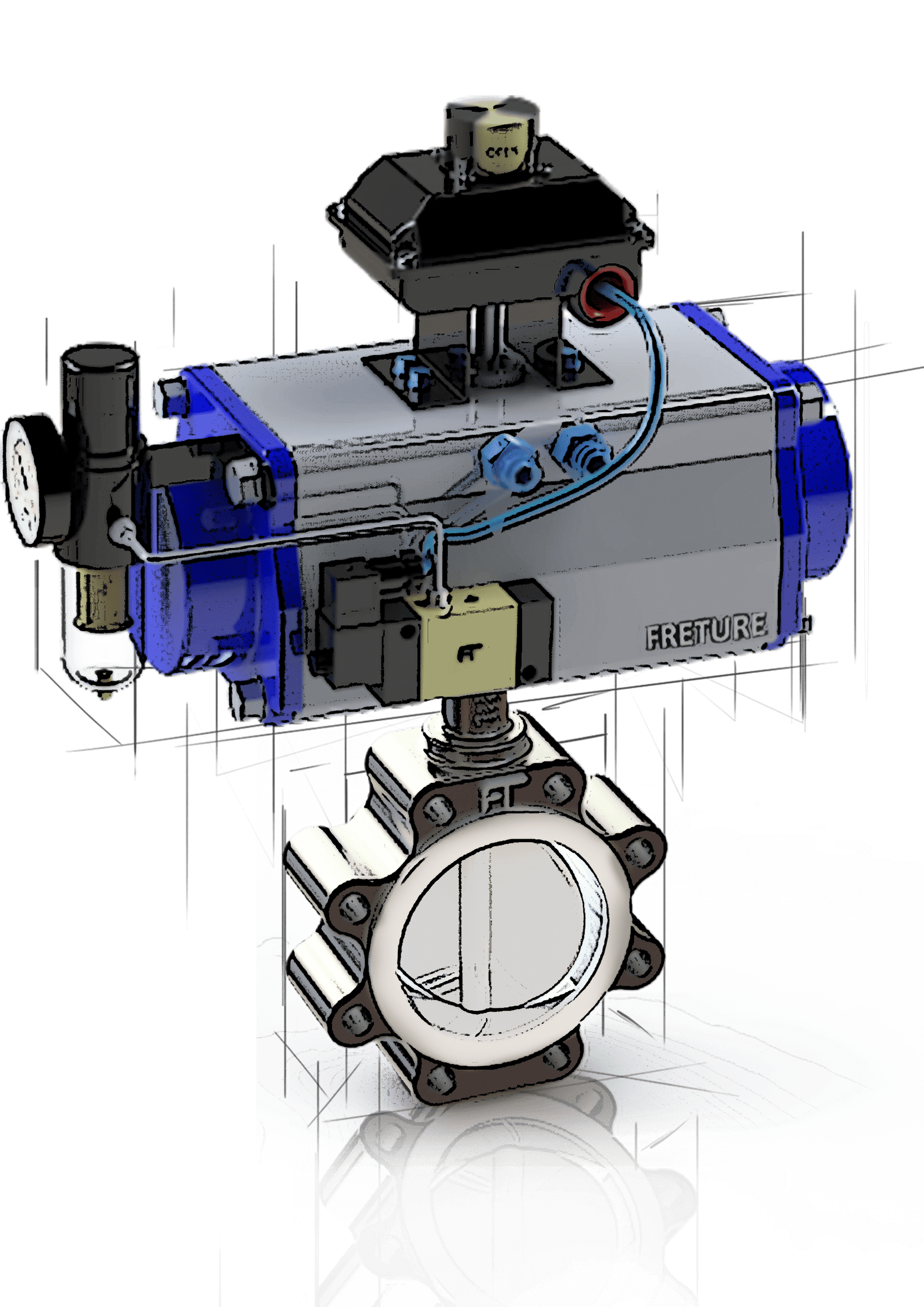
Unveiling Lined Valves: A Comprehensive Guide to Construction, Materials, and Advantages in Corrosive or Abrasive Applications

Corrosion and abrasion are formidable challenges in industries where fluid control is critical. Lined valves have emerged as a robust solution to combat these issues, providing enhanced durability and performance. In this article, we delve into the world of lined valves, exploring their construction, the materials used for lining, and the significant advantages they offer in corrosive or abrasive applications.

I. Understanding Lined Valves

Lined valves are a specialized category of industrial valves designed to withstand aggressive and corrosive environments. The distinguishing feature lies in the protective lining applied to the internal surfaces of the valve. This lining acts as a barrier, shielding the valve from the corrosive effects of the fluid passing through.

Lined Butterfly Valve Manufacturers in Mumbai, India

II. Construction of Lined Valves

Lining Materials

The choice of lining material is crucial to the success of a lined valve. Common lining materials include PTFE (Polytetrafluoroethylene), PFA (Perfluoroalkoxy), FEP (Fluorinated Ethylene Propylene), rubber, and ceramic. Each material has its unique properties, making it suitable for specific applications.

Metallic Shell

Beneath the protective lining, lined valves typically feature a robust metallic shell, ensuring structural integrity and mechanical strength. The metallic shell provides the valve with the necessary support to withstand the pressure and temperature conditions of the application.

Design Considerations

The design of lined valves takes into account the fluid properties, pressure, temperature, and the corrosiveness of the environment. Additionally, the valves are engineered to minimize the risk of lining delamination or damage during operation.

III. Materials Used for Lining

PTFE (Polytetrafluoroethylene)

PTFE is a popular choice for lining due to its exceptional chemical resistance and low friction properties. It is particularly effective in applications involving acids, bases, and corrosive chemicals. PTFE-lined valves are known for their longevity and reliability.

PFA (Perfluoroalkoxy)

PFA shares similarities with PTFE but offers additional advantages such as improved clarity, flexibility, and a higher continuous use temperature. PFA-lined valves are often preferred in applications where transparency and higher temperature resistance are critical.

Rubber Linings

Rubber linings, such as EPDM (Ethylene Propylene Diene Monomer) or Viton, are chosen for their elasticity and resistance to various chemicals. They are commonly used in applications involving abrasive slurries and corrosive fluids.

Ceramic Linings

For extreme abrasion resistance, ceramic linings are employed. Alumina or zirconia ceramics are applied to the valve's internals, providing a durable barrier against abrasive particles present in the fluid.

IV. Advantages in Corrosive or Abrasive Applications

Lifelong Corrosion Resistance

The primary advantage of lined valves lies in their ability to resist corrosion throughout their operational life. This makes them indispensable in industries where aggressive chemical processes are commonplace, ensuring longevity and reducing maintenance costs.

Versatility in Applications

Lined valves find application in a wide range of industries, including chemical processing, petrochemicals, pharmaceuticals, and wastewater treatment. Their versatility makes them suitable for handling various corrosive or abrasive fluids encountered in these sectors.

Enhanced Performance

The protective lining not only shields the valve from corrosion but also contributes to smoother fluid flow. Reduced friction within the valve improves operational efficiency, leading to enhanced performance and energy savings.

V. Conclusion

PTFE, FEP, PFA, Lined valves Manufacturers in Mumbai, India stand as a testament to engineering ingenuity in the face of corrosive and abrasive challenges. By combining robust construction with carefully selected lining materials, these valves provide a reliable solution for industries demanding durability, longevity, and unparalleled resistance to corrosive elements. As technologies continue to advance, lined valves will likely play an increasingly pivotal role in ensuring the integrity and efficiency of fluid control systems across diverse industrial landscapes.

PFA , FEP, PVDF and PTFE Lined Valve

Freture Techno stands at the forefront of Mumbai's industrial landscape as a premier manufacturer specializing in PFA , FEP, PVDF and PTFE Lined Valve. Renowned for precision engineering and superior quality, Freture Techno has emerged as a trusted name in the valve manufacturing industry within India. With a commitment to innovation and excellence, their expertise lies in crafting PFA , FEP, PVDF and PTFE Lined Valve offering unparalleled resistance to corrosive elements and extreme operating conditions. The company's dedication to stringent quality control measures ensures products that not only meet but exceed industry standards. Freture Techno's valves cater to diverse sectors, including chemical processing, pharmaceuticals, and water treatment, contributing significantly to seamless operations and enhanced safety standards across industries. As a market leader, Freture Techno continues to redefine excellence in valve manufacturing, setting benchmarks for reliability and performance in Mumbai and beyond. Lined Valves