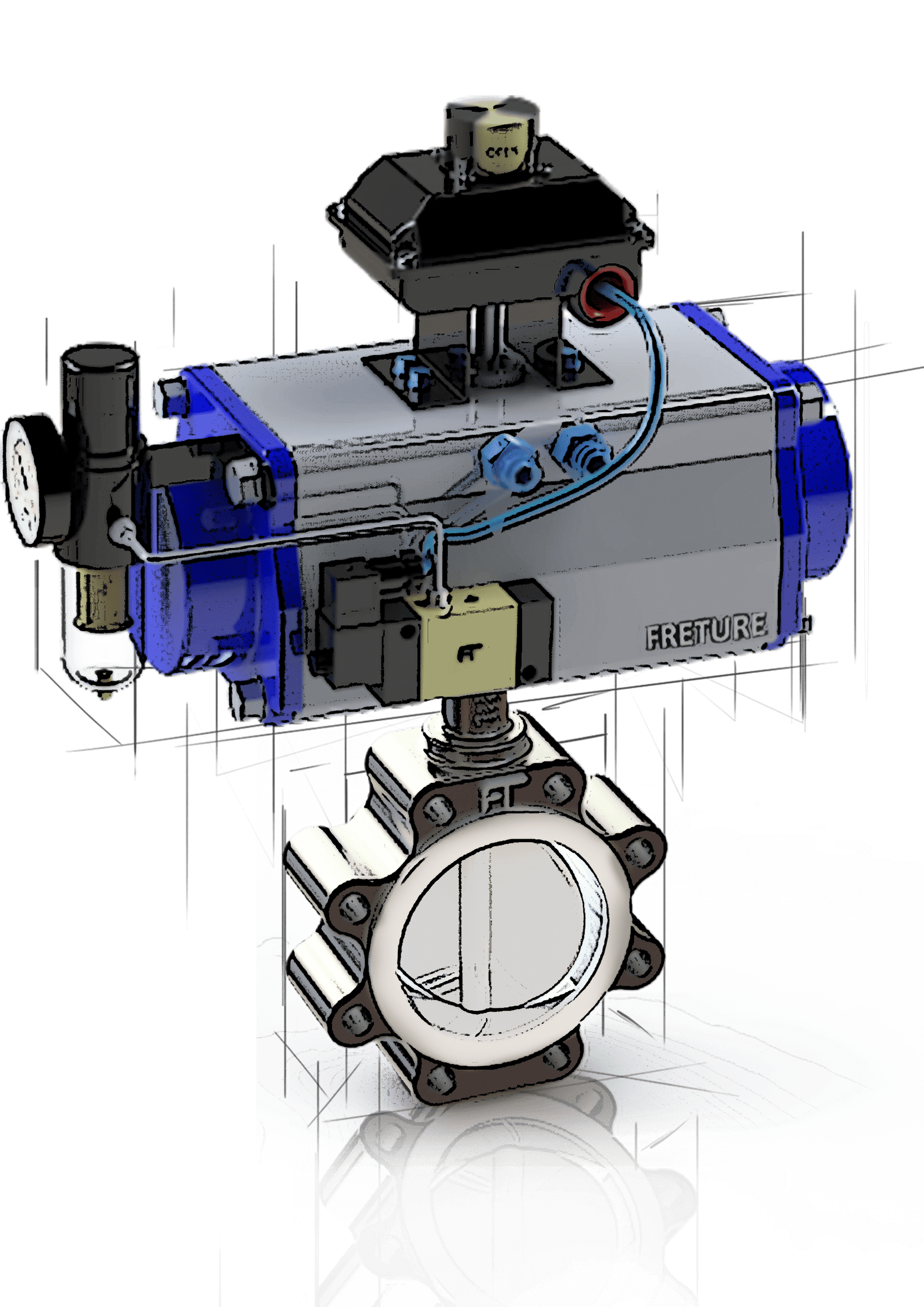
Showing posts with label PVDF Lined Valves. Show all posts

Tuesday, 3 December 2024

PFA , FEP, PVDF and PTFE Lined Valve Superior Corrosion Resistance for Critical Applications

 In industries that handle aggressive chemicals or highly corrosive materials, selecting the right valves is crucial to ensuring operational efficiency and safety. PFA , FEP,  PVDF and PTFE Lined Valve have emerged as industry standards for applications that require high levels of corrosion resistance and durability. These lined valves are essential in sectors such as chemical processing, pharmaceuticals, food and beverage, and water treatment, where valves must withstand harsh environments without compromising on performance. In this article, we explore the features, benefits, and applications of PTFE, PFA, and FEP-lined valves, highlighting their role in enhancing reliability and performance.

What Are PTFE, PFA, and FEP Lined Valves?

PTFE (Polytetrafluoroethylene), PFA (Perfluoroalkoxy), and FEP (Fluorinated Ethylene Propylene) are types of fluoropolymer materials that offer exceptional resistance to chemicals, high temperatures, and wear. These materials are often used to line valves, providing superior protection against corrosion and erosion. The valve body, typically made of metal, is lined with a layer of PTFE, PFA, or FEP, creating a barrier between the aggressive fluid and the valve's structural components. This lining ensures that the valve can handle a wide range of fluids, including acids, alkalis, solvents, and more, without suffering from degradation.

PFA , FEP, PVDF and PTFE Lined Valve


Key Features of PTFE, PFA, FEP Lined Valves

  • Chemical Resistance: One of the most significant advantages of these lined valves is their exceptional chemical resistance. These materials are non-reactive to most chemicals, making them ideal for handling corrosive substances in industries such as chemical processing, pharmaceuticals, and food production.

  • High-Temperature Resistance: These fluoropolymer linings are capable of withstanding extreme temperatures, both high and low, without losing their physical properties. This makes them suitable for applications in high-temperature processes, including steam handling and chemical reactions.

  • Durability: PTFE, PFA, and FEP are highly durable and wear-resistant materials. The lining protects the valve from corrosion, ensuring a longer service life and minimizing the need for frequent replacements or maintenance.

  • Non-Stick Properties: The smooth, non-stick surface of these materials prevents buildup and fouling, ensuring that the valve maintains optimal performance even in challenging applications. This property is particularly beneficial in food and beverage processing, where hygiene and cleanliness are critical.

  • Electrical Insulation: Fluoropolymer-lined valves, particularly those made from PTFE and PFA, provide excellent electrical insulation, making them suitable for applications involving electrical components or environments where conductivity needs to be minimized.

Benefits of PFA , FEP,  PVDF and PTFE Lined Valve

  1. Extended Valve Life: The corrosion resistance offered by these linings extends the life of the valve, reducing maintenance costs and downtime. In aggressive chemical environments, this can result in significant savings over time.

  2. Improved Safety: Using PFA , FEP,  PVDF and PTFE Lined Valve ensures that the system remains safe, even when dealing with highly reactive or hazardous chemicals. The lining acts as a protective barrier, preventing leaks, corrosion, and system failures.

  3. Cost-Effective Solution: While fluoropolymer-lined valves may have a higher initial cost than standard valves, their durability and low maintenance requirements make them a cost-effective solution in the long run. This is especially true in industries where valve failure can lead to costly shutdowns and repairs.

  4. Enhanced Performance: The smooth surface of the fluoropolymer lining reduces friction, allowing for smoother valve operation. This leads to improved flow control and reduced wear and tear on the valve components.

Applications of PFA , FEP,  PVDF and PTFE Lined Valve

These lined valves are indispensable in several industries, particularly those that involve corrosive substances or high-temperature processes. Some of the key applications include:

  • Chemical Processing: In the chemical industry, PFA , FEP,  PVDF and PTFE Lined Valve are used to regulate the flow of aggressive chemicals, including acids, alkalis, and solvents. These valves prevent corrosion and contamination, ensuring that the chemicals are handled safely.

  • Pharmaceuticals: In pharmaceutical manufacturing, where maintaining purity and preventing contamination is critical, fluoropolymer-lined valves ensure the safe handling of sensitive ingredients and chemicals without introducing impurities.

  • Food and Beverage: The food and beverage industry relies on PFA , FEP,  PVDF and PTFE Lined Valve to handle ingredients, liquids, and gases that can cause corrosion in standard valves. The non-stick properties of these materials help maintain hygiene standards, preventing buildup and contamination.

  • Water Treatment: In water treatment plants, these valves are used to control the flow of chemicals like chlorine and other disinfectants. Their ability to resist chemical corrosion ensures that the valves perform reliably in harsh water treatment environments.

  • Oil and Gas: In oil and gas operations, where highly corrosive fluids are often transported through pipelines, PFA , FEP,  PVDF and PTFE Lined Valve provide the durability and chemical resistance needed for long-lasting performance in extreme conditions.

Choosing the Right Lined Valve

Selecting the right PFA , FEP,  PVDF and PTFE Lined Valve depends on several factors, including the type of fluid being transported, the operating temperature and pressure, and the valve's intended function (e.g., isolation, regulation, or control). It is also essential to choose a valve with a lining material that is compatible with the fluid to avoid degradation over time. Consulting with experienced manufacturers or suppliers can help ensure that the correct valve is chosen for the specific application.

Conclusion

PFA , FEP, PVDF and PTFE Lined Valve offer exceptional performance and durability, making them an essential component in industries that deal with corrosive, high-temperature, or reactive materials. Their ability to resist chemical attack, withstand extreme temperatures, and offer smooth, reliable operation ensures that they provide long-term value and reliability. For high-quality, corrosion-resistant valves, Freture Techno Pvt. Ltd. is a leading manufacturer of PTFE, PFA, and FEP-lined valves in Mumbai, India, offering tailored solutions to meet the unique needs of various industries.

Saturday, 22 June 2024

Lined Valves: Strength, Safety, and Corrosion Resistance

Lined valves are essential components in many industrial applications, particularly where corrosive materials are handled. These specialized valves are designed with a lining material that offers superior resistance to harsh chemicals, thereby extending the life of the valve and ensuring a safer, more efficient operation. Let's explore the unique materials used in lined valves and how they contribute to their strength, safety, and corrosion-free performance.

The Importance of Lined Valves

In industries such as chemical processing, pharmaceuticals, and water treatment, the equipment is frequently exposed to aggressive chemicals that can cause rapid deterioration. Lined valves provide a crucial barrier between these corrosive substances and the metal body of the valve. This not only prevents damage and extends the valve's lifespan but also ensures that the operation remains safe and leak-free.

PTFE Lined Globe Valve

Materials Used in Lined Valves

  1. Polytetrafluoroethylene (PTFE)

    • Properties: PTFE, commonly known as Teflon, is renowned for its exceptional chemical resistance and low friction.
    • Strength & Safety: PTFE-lined valves are ideal for handling highly corrosive acids and bases. The material's non-reactive nature ensures that there is no chemical interaction with the valve body, thus maintaining structural integrity and preventing leaks.
    • Corrosion Resistance: PTFE can withstand a wide range of chemicals, making it suitable for various applications from chemical processing to food and beverage industries.
  2. PFA (Perfluoroalkoxy)

    • Properties: PFA shares similar properties with PTFE but with improved mechanical strength and higher temperature resistance.
    • Strength & Safety: PFA-lined valves offer enhanced durability, especially in high-temperature environments. This makes them suitable for processes involving hot, corrosive liquids.
    • Corrosion Resistance: The material’s robustness against chemical attack ensures a longer operational life and reliable performance, even under harsh conditions.
  3. Polyvinylidene Fluoride (PVDF)

    • Properties: PVDF is a highly non-reactive and pure thermoplastic fluoropolymer.
    • Strength & Safety: PVDF-lined valves are known for their excellent abrasion resistance and mechanical strength. They are often used in applications where both chemical resistance and physical durability are required.
    • Corrosion Resistance: The material’s resistance to chlorine and other strong oxidizers makes it ideal for use in water treatment and chlorine-related processes.
  4. Ethylene Propylene Diene Monomer (EPDM)

    • Properties: EPDM is a synthetic rubber known for its outstanding heat, ozone, and weather resistance.
    • Strength & Safety: EPDM-lined valves provide a good balance of chemical resistance and flexibility, making them suitable for a wide range of applications, including those involving steam and hot water.
    • Corrosion Resistance: The material is particularly effective against caustic solutions, acids, and alcohols, providing reliable performance in various chemical processing environments.
  5. Fluoroelastomers (FKM)

    • Properties: FKM, also known as Viton, is a type of synthetic rubber known for its high resistance to chemicals, oils, and high temperatures.
    • Strength & Safety: FKM-lined valves are designed for demanding applications where both chemical resistance and thermal stability are critical.
    • Corrosion Resistance: The material’s resistance to a wide range of chemicals, including acids, fuels, and solvents, ensures a corrosion-free environment, thereby enhancing safety and longevity.

Benefits of Lined Valves

  • Enhanced Durability: The lining materials protect the valve body from corrosive damage, significantly extending its service life.
  • Operational Safety: By preventing chemical reactions between the valve and the fluids, lined valves minimize the risk of leaks and failures, ensuring a safer operational environment.
  • Cost Efficiency: Although lined valves may have a higher initial cost, their extended lifespan and reduced maintenance needs make them a cost-effective solution in the long run.
  • Versatility: The variety of lining materials available allows for customization based on specific industrial needs, making lined valves suitable for a broad range of applications.

Conclusion

Lined valves are a testament to the advancements in material science and engineering. By incorporating specialized lining materials such as PTFE, PFA, PVDF, EPDM, and FKM, these valves offer unparalleled strength, safety, and corrosion resistance. Whether dealing with aggressive chemicals, high temperatures, or abrasive substances, PTFE, FEP, PFA Lined valves Manufacturers in Mumbai, India provide the reliability and durability needed to ensure smooth and safe industrial operations. As industries continue to evolve and demand higher standards of performance, the role of lined valves in maintaining efficiency and safety will undoubtedly become even more critical.

Friday, 19 January 2024

Unveiling Lined Valves: A Comprehensive Guide to Construction, Materials, and Advantages in Corrosive or Abrasive Applications

Corrosion and abrasion are formidable challenges in industries where fluid control is critical. Lined valves have emerged as a robust solution to combat these issues, providing enhanced durability and performance. In this article, we delve into the world of lined valves, exploring their construction, the materials used for lining, and the significant advantages they offer in corrosive or abrasive applications.

I. Understanding Lined Valves

Lined valves are a specialized category of industrial valves designed to withstand aggressive and corrosive environments. The distinguishing feature lies in the protective lining applied to the internal surfaces of the valve. This lining acts as a barrier, shielding the valve from the corrosive effects of the fluid passing through.

Lined Butterfly Valve Manufacturers in Mumbai, India

II. Construction of Lined Valves

Lining Materials

The choice of lining material is crucial to the success of a lined valve. Common lining materials include PTFE (Polytetrafluoroethylene), PFA (Perfluoroalkoxy), FEP (Fluorinated Ethylene Propylene), rubber, and ceramic. Each material has its unique properties, making it suitable for specific applications.

Metallic Shell

Beneath the protective lining, lined valves typically feature a robust metallic shell, ensuring structural integrity and mechanical strength. The metallic shell provides the valve with the necessary support to withstand the pressure and temperature conditions of the application.

Design Considerations

The design of lined valves takes into account the fluid properties, pressure, temperature, and the corrosiveness of the environment. Additionally, the valves are engineered to minimize the risk of lining delamination or damage during operation.

III. Materials Used for Lining

PTFE (Polytetrafluoroethylene)

PTFE is a popular choice for lining due to its exceptional chemical resistance and low friction properties. It is particularly effective in applications involving acids, bases, and corrosive chemicals. PTFE-lined valves are known for their longevity and reliability.

PFA (Perfluoroalkoxy)

PFA shares similarities with PTFE but offers additional advantages such as improved clarity, flexibility, and a higher continuous use temperature. PFA-lined valves are often preferred in applications where transparency and higher temperature resistance are critical.

Rubber Linings

Rubber linings, such as EPDM (Ethylene Propylene Diene Monomer) or Viton, are chosen for their elasticity and resistance to various chemicals. They are commonly used in applications involving abrasive slurries and corrosive fluids.

Ceramic Linings

For extreme abrasion resistance, ceramic linings are employed. Alumina or zirconia ceramics are applied to the valve's internals, providing a durable barrier against abrasive particles present in the fluid.

IV. Advantages in Corrosive or Abrasive Applications

Lifelong Corrosion Resistance

The primary advantage of lined valves lies in their ability to resist corrosion throughout their operational life. This makes them indispensable in industries where aggressive chemical processes are commonplace, ensuring longevity and reducing maintenance costs.

Versatility in Applications

Lined valves find application in a wide range of industries, including chemical processing, petrochemicals, pharmaceuticals, and wastewater treatment. Their versatility makes them suitable for handling various corrosive or abrasive fluids encountered in these sectors.

Enhanced Performance

The protective lining not only shields the valve from corrosion but also contributes to smoother fluid flow. Reduced friction within the valve improves operational efficiency, leading to enhanced performance and energy savings.

V. Conclusion

PTFE, FEP, PFA, Lined valves Manufacturers in Mumbai, India stand as a testament to engineering ingenuity in the face of corrosive and abrasive challenges. By combining robust construction with carefully selected lining materials, these valves provide a reliable solution for industries demanding durability, longevity, and unparalleled resistance to corrosive elements. As technologies continue to advance, lined valves will likely play an increasingly pivotal role in ensuring the integrity and efficiency of fluid control systems across diverse industrial landscapes.

PFA , FEP, PVDF and PTFE Lined Valve

Freture Techno stands at the forefront of Mumbai's industrial landscape as a premier manufacturer specializing in PFA , FEP, PVDF and PTFE Lined Valve. Renowned for precision engineering and superior quality, Freture Techno has emerged as a trusted name in the valve manufacturing industry within India. With a commitment to innovation and excellence, their expertise lies in crafting PFA , FEP, PVDF and PTFE Lined Valve offering unparalleled resistance to corrosive elements and extreme operating conditions. The company's dedication to stringent quality control measures ensures products that not only meet but exceed industry standards. Freture Techno's valves cater to diverse sectors, including chemical processing, pharmaceuticals, and water treatment, contributing significantly to seamless operations and enhanced safety standards across industries. As a market leader, Freture Techno continues to redefine excellence in valve manufacturing, setting benchmarks for reliability and performance in Mumbai and beyond. Lined Valves