Thursday, 19 September 2024

Understanding the Benefits and Applications of PTFE, PFA, FEP Lined Ball Valves

In industrial environments where the use of corrosive chemicals is common, valve materials must be able to resist aggressive substances to ensure long-term durability and reliability. PTFE lined ball valves offer an excellent solution to this challenge by combining the durability of metal valves with the chemical resistance of PTFE (Polytetrafluoroethylene) linings. These valves are widely used in industries like chemical processing, pharmaceuticals, and petrochemicals, where dealing with corrosive or abrasive materials is a daily occurrence.

What is a PTFE Lined Ball Valve?

A PTFE lined ball valve is similar to a conventional ball valve but with an inner lining of PTFE, a polymer known for its exceptional resistance to chemicals and extreme temperatures. The ball inside the valve is also coated with PTFE, making the valve ideal for handling corrosive substances that would otherwise damage metal components. This unique construction allows for longer operational life, reduced maintenance costs, and improved safety in processes involving hazardous chemicals.

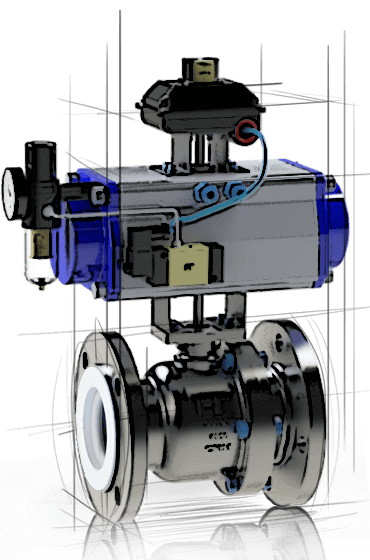
PTFE, PFA, FEP Lined Ball Valves
  • Corrosion Resistance: The PTFE lining provides outstanding protection against corrosive chemicals, including acids, alkalis, and solvents, making these valves suitable for demanding applications in chemical plants and refineries.
  • High Temperature Tolerance: PTFE lined ball valves can withstand extreme temperatures ranging from -50°C to 200°C, offering flexibility in a variety of industrial applications.
  • Smooth Flow Control: The smooth, non-stick surface of PTFE allows for excellent flow control and prevents materials from adhering to the valve, reducing the risk of blockages and ensuring consistent performance.
  • Low Maintenance: Thanks to the chemical resistance of PTFE, these valves require less maintenance over time, contributing to overall operational efficiency and cost savings.

Applications of PTFE Lined Ball Valves

  • Chemical Processing: PTFE lined ball valves are commonly used in chemical plants to handle aggressive chemicals like sulfuric acid, hydrochloric acid, and chlorine. Their corrosion resistance ensures safe and reliable operation in these demanding environments.
  • Pharmaceutical Industry: In pharmaceutical manufacturing, where high purity and contamination control are crucial, PTFE lined valves play a vital role in preventing any contamination of sensitive fluids or chemicals.
  • Water Treatment: The durability and chemical resistance of PTFE lined ball valves make them ideal for water treatment processes that involve harsh chemicals like chlorine and sodium hydroxide.
  • Petrochemicals: Refineries and petrochemical plants frequently use PTFE lined ball valves to manage corrosive byproducts and high-temperature fluids in various processing units.

Conclusion

The use of PTFE lined ball valves in industrial applications provides several key benefits, from enhanced durability to improved safety when handling hazardous chemicals. Industries that demand reliable, long-lasting valve solutions for corrosive environments will find PTFE lined ball valves to be an ideal choice. These valves offer smooth operation, reduced maintenance, and extended service life, making them a cost-effective and efficient solution for critical industrial processes.

Saturday, 22 June 2024

Lined Valves: Strength, Safety, and Corrosion Resistance

Lined valves are essential components in many industrial applications, particularly where corrosive materials are handled. These specialized valves are designed with a lining material that offers superior resistance to harsh chemicals, thereby extending the life of the valve and ensuring a safer, more efficient operation. Let's explore the unique materials used in lined valves and how they contribute to their strength, safety, and corrosion-free performance.

The Importance of Lined Valves

In industries such as chemical processing, pharmaceuticals, and water treatment, the equipment is frequently exposed to aggressive chemicals that can cause rapid deterioration. Lined valves provide a crucial barrier between these corrosive substances and the metal body of the valve. This not only prevents damage and extends the valve's lifespan but also ensures that the operation remains safe and leak-free.

PTFE Lined Globe Valve

Materials Used in Lined Valves

  1. Polytetrafluoroethylene (PTFE)

    • Properties: PTFE, commonly known as Teflon, is renowned for its exceptional chemical resistance and low friction.
    • Strength & Safety: PTFE-lined valves are ideal for handling highly corrosive acids and bases. The material's non-reactive nature ensures that there is no chemical interaction with the valve body, thus maintaining structural integrity and preventing leaks.
    • Corrosion Resistance: PTFE can withstand a wide range of chemicals, making it suitable for various applications from chemical processing to food and beverage industries.
  2. PFA (Perfluoroalkoxy)

    • Properties: PFA shares similar properties with PTFE but with improved mechanical strength and higher temperature resistance.
    • Strength & Safety: PFA-lined valves offer enhanced durability, especially in high-temperature environments. This makes them suitable for processes involving hot, corrosive liquids.
    • Corrosion Resistance: The material’s robustness against chemical attack ensures a longer operational life and reliable performance, even under harsh conditions.
  3. Polyvinylidene Fluoride (PVDF)

    • Properties: PVDF is a highly non-reactive and pure thermoplastic fluoropolymer.
    • Strength & Safety: PVDF-lined valves are known for their excellent abrasion resistance and mechanical strength. They are often used in applications where both chemical resistance and physical durability are required.
    • Corrosion Resistance: The material’s resistance to chlorine and other strong oxidizers makes it ideal for use in water treatment and chlorine-related processes.
  4. Ethylene Propylene Diene Monomer (EPDM)

    • Properties: EPDM is a synthetic rubber known for its outstanding heat, ozone, and weather resistance.
    • Strength & Safety: EPDM-lined valves provide a good balance of chemical resistance and flexibility, making them suitable for a wide range of applications, including those involving steam and hot water.
    • Corrosion Resistance: The material is particularly effective against caustic solutions, acids, and alcohols, providing reliable performance in various chemical processing environments.
  5. Fluoroelastomers (FKM)

    • Properties: FKM, also known as Viton, is a type of synthetic rubber known for its high resistance to chemicals, oils, and high temperatures.
    • Strength & Safety: FKM-lined valves are designed for demanding applications where both chemical resistance and thermal stability are critical.
    • Corrosion Resistance: The material’s resistance to a wide range of chemicals, including acids, fuels, and solvents, ensures a corrosion-free environment, thereby enhancing safety and longevity.

Benefits of Lined Valves

  • Enhanced Durability: The lining materials protect the valve body from corrosive damage, significantly extending its service life.
  • Operational Safety: By preventing chemical reactions between the valve and the fluids, lined valves minimize the risk of leaks and failures, ensuring a safer operational environment.
  • Cost Efficiency: Although lined valves may have a higher initial cost, their extended lifespan and reduced maintenance needs make them a cost-effective solution in the long run.
  • Versatility: The variety of lining materials available allows for customization based on specific industrial needs, making lined valves suitable for a broad range of applications.

Conclusion

Lined valves are a testament to the advancements in material science and engineering. By incorporating specialized lining materials such as PTFE, PFA, PVDF, EPDM, and FKM, these valves offer unparalleled strength, safety, and corrosion resistance. Whether dealing with aggressive chemicals, high temperatures, or abrasive substances, PTFE, FEP, PFA Lined valves Manufacturers in Mumbai, India provide the reliability and durability needed to ensure smooth and safe industrial operations. As industries continue to evolve and demand higher standards of performance, the role of lined valves in maintaining efficiency and safety will undoubtedly become even more critical.

Thursday, 30 May 2024

Innovations and Trends in Lined Valve Technology: What to Expect in the Next Decade

Lined valve technology has become a cornerstone in industrial applications, offering unmatched resistance to corrosion and chemical attack. These valves, which incorporate a protective lining of materials such as PTFE, FEP, or PFA, are essential for ensuring the longevity and efficiency of systems handling aggressive substances.

Historical Development of Lined Valves

The evolution of lined valves dates back to the mid-20th century when industries first began seeking solutions to mitigate the corrosive effects of chemicals on metal valves. The introduction of PTFE as a lining material revolutionized the industry, offering a durable, non-reactive barrier between the valve body and the process fluids.

Importance in Industrial Applications

Lined valves are indispensable in sectors such as chemicals, pharmaceuticals, and food processing, where the purity and integrity of fluids must be maintained. They provide a reliable means to prevent contamination and ensure safety, thus playing a critical role in operational efficiency and regulatory compliance.

Technical Specifications

Material Composition

Lined valves are constructed with a core metal valve body, typically made from stainless steel or carbon steel, which is then lined with a fluoropolymer material. PTFE (Polytetrafluoroethylene), FEP (Fluorinated Ethylene Propylene), and PFA (Perfluoroalkoxy) are the most common lining materials, each offering unique properties suited to different applications.

Design Specifications

The design of lined valves involves meticulous engineering to ensure seamless integration of the lining material. Key considerations include thickness uniformity, adhesion strength, and the ability to withstand operational pressures and temperatures. Advanced manufacturing techniques such as isostatic molding and extrusion are employed to achieve these specifications.

PTFE Lined Butterfly Valve

Manufacturing Processes

Manufacturing lined valves involves several critical steps: preparation of the valve body, application of the lining material, curing or sintering to ensure adhesion, and rigorous quality control checks. Innovations in manufacturing, such as 3D printing and robotic assembly, are enhancing the precision and efficiency of these processes.

Applications

Chemical Industry

In the chemical industry, lined valves are essential for handling corrosive substances such as acids, alkalis, and solvents. They ensure safe and efficient operation of chemical processing plants, minimizing the risk of leaks and contamination.

Pharmaceutical Industry

The pharmaceutical industry relies on lined valves to maintain the purity of drugs and chemicals during production. These valves prevent reactions between the processing fluids and the valve material, which is crucial for producing high-quality pharmaceutical products.

Food and Beverage Industry

Lined valves are widely used in the food and beverage industry to manage the flow of ingredients and cleaning agents. Their non-reactive nature ensures that there is no risk of contamination, which is vital for maintaining food safety standards.

Oil and Gas Industry

In the oil and gas sector, lined valves are utilized to handle aggressive chemicals used in drilling and refining processes. Their ability to withstand high pressures and temperatures makes them suitable for the harsh conditions of this industry.

Water Treatment Facilities

Water treatment plants use lined valves to control the flow of various chemicals used in the purification process. These valves are crucial for ensuring the reliability and safety of water treatment operations.

Benefits

Enhanced Corrosion Resistance

One of the primary benefits of lined valves is their exceptional resistance to corrosion. This property extends the lifespan of the valves and reduces the frequency of maintenance, leading to cost savings and increased operational efficiency.

Extended Lifespan

The durability of lined valves ensures that they can operate effectively over long periods, even in harsh conditions. This longevity translates into reduced downtime and lower replacement costs for industrial operations.

Reduced Maintenance Costs

Lined valves require less frequent maintenance compared to their unlined counterparts. The non-reactive lining minimizes wear and tear, reducing the need for regular servicing and part replacements.

Improved Safety

By preventing leaks and ensuring the integrity of the fluid being handled, lined valves enhance the overall safety of industrial processes. This is particularly important in environments where hazardous chemicals are present.

Environmental Benefits

The use of lined valves contributes to environmental sustainability by reducing the risk of chemical leaks and spills. This helps in protecting the environment and adhering to stringent environmental regulations.

Challenges and Limitations

Material Costs

One of the significant challenges associated with lined valves is the high cost of fluoropolymer lining materials. This can increase the initial investment required, although the long-term benefits often outweigh these costs.

Complex Installation Processes

Installing lined valves can be complex and requires specialized knowledge and equipment. Ensuring proper alignment and adhesion of the lining material is crucial for optimal performance.

Maintenance Challenges

While lined valves generally require less maintenance, any issues that do arise can be more challenging to address. Specialized skills and tools are often needed to repair or replace the lining material.

Compatibility Issues

Compatibility with certain chemicals and operational conditions can be a limitation for lined valves. It is essential to select the appropriate lining material based on the specific requirements of the application.

Latest Innovations

Advanced Lining Materials

Recent advancements in lining materials have led to the development of new fluoropolymers with enhanced properties. These materials offer improved resistance to abrasion, higher temperature tolerance, and greater mechanical strength.

Smart Valve Technologies

The integration of smart technologies into lined valves is revolutionizing their operation. Features such as real-time monitoring, predictive maintenance, and automated control systems are enhancing efficiency and reliability.

3D Printing in Valve Manufacturing

3D printing technology is being utilized to manufacture complex valve components with high precision. This innovation reduces production time and costs, while also enabling the creation of customized solutions for specific applications.

Nanotechnology Applications

Nanotechnology is being explored to enhance the properties of lining materials. Nano-coatings can provide additional protection against corrosion and improve the overall performance of lined valves.

Eco-friendly Manufacturing Practices

Sustainability is a growing trend in valve manufacturing, with companies adopting eco-friendly practices. This includes using recycled materials, reducing energy consumption, and implementing green manufacturing processes.

Future Prospects

Predictions for Material Advancements

The next decade is expected to see significant advancements in lining materials, with new composites and polymers being developed to offer superior performance. These materials will likely provide even greater resistance to extreme conditions and aggressive chemicals.

Impact of AI and Machine Learning

Artificial intelligence and machine learning are set to play a pivotal role in the future of lined valve technology. These technologies will enable predictive maintenance, optimize operational efficiency, and facilitate smarter decision-making processes.

Future Applications in Emerging Industries

As new industries emerge, the demand for specialized lined valves will grow. Sectors such as biotechnology, renewable energy, and advanced manufacturing will benefit from the unique properties of these valves.

Sustainability Trends

Sustainability will continue to be a driving force in the development of lined valves. Innovations aimed at reducing the environmental impact of valve production and operation will be a key focus.

Regulatory Developments

Regulatory bodies are expected to introduce stricter standards for the use of lined valves, particularly in industries handling hazardous substances. Compliance with these regulations will drive further advancements in valve technology.

Comparative Analysis

PTFE vs. FEP vs. PFA Lined Valves

When comparing PTFE, FEP, and PFA lined valves, each material offers distinct advantages. PTFE is known for its high temperature resistance and chemical inertness, FEP provides greater
Freture Techno Pvt. Ltd. is leading PTFE, PFA , FEP Lined Valve Manufacturers in India

PFA , FEP, PVDF and PTFE Lined Valve

Freture Techno stands at the forefront of Mumbai's industrial landscape as a premier manufacturer specializing in PFA , FEP, PVDF and PTFE Lined Valve. Renowned for precision engineering and superior quality, Freture Techno has emerged as a trusted name in the valve manufacturing industry within India. With a commitment to innovation and excellence, their expertise lies in crafting PFA , FEP, PVDF and PTFE Lined Valve offering unparalleled resistance to corrosive elements and extreme operating conditions. The company's dedication to stringent quality control measures ensures products that not only meet but exceed industry standards. Freture Techno's valves cater to diverse sectors, including chemical processing, pharmaceuticals, and water treatment, contributing significantly to seamless operations and enhanced safety standards across industries. As a market leader, Freture Techno continues to redefine excellence in valve manufacturing, setting benchmarks for reliability and performance in Mumbai and beyond. Lined Valves